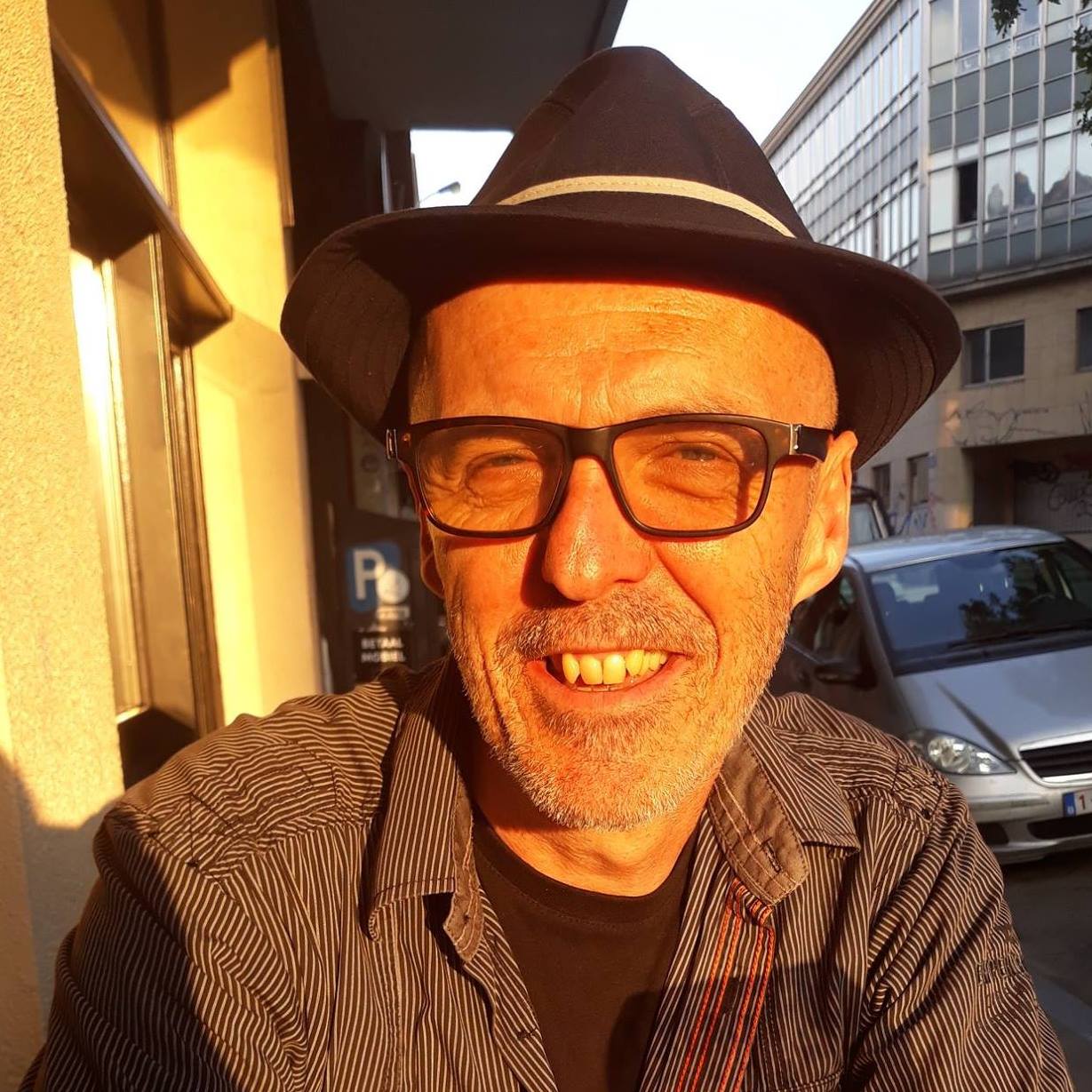
LeaHy is a songwriter, lyricist, and long-standing Music2Deal member with an international perspective on the music business. Over the years, he has written for acts such as 2 Unlimited and CB Milton and collaborated with various artists across Europe. With his deep knowledge of both the creative and business sides of music, LeaHy brings valuable insights into how songwriters can view opportunities like the Eurovision. In this interview, he shares his personal experience, perspectives, and advice for anyone curious about writing for one of the world’s biggest music stages.
You opened a forum on Music2Deal about the Eurovision. What prompted you?
Like many people my age, I have memories of watching the Eurovision as a family – at the time there were not many channels and so not much choice on TV.
Much later, I wrote for 2 Unlimited, CB Milton and others. So you could also say that I’m not scared of pop. I also submitted songs twice. Both fell at the first hurdle – no regrets. But the only people actually debating Eurovision are the hyperfans; songwriters don’t actually talk about Eurovision much.
That’s why I created the forum on Music2Deal (see below).
Who runs the Eurovision?
The Eurovision is run by the European Broadcasters Union – a body that manages supernational sports and TV events for its members, national TV stations. Any station can join, which explains why Australia, Israel and Turkiye are members and can participate and send in their candidates.
Question from a colleague: Why has Eurovision deteriorated so badly?
It’s worth talking about this. On the one hand, it you turn down the volume of your TV set, Eurovision has never been this good. The staging – and very often the choreographies – are among the best you will see anywhere in the world. Plus, the audience continues to grow.
But then there is the music. And that is more… complex. I wish more broadcasters would remember that it’s the Eurovision SONG contest. There is a very strong temptation for them to aim at the spectacle: larger-than-life singers; fake “catchy” choruses; and lots of flesh. So you get a lot of gimmicky acts. They definitely appeal to the live crowd, but they don’t build careers.
But that leads to another point: more than anything else, the Eurovision is a massive TV event whose job is to get people to turn the TV sets on. Their brief is not to create stars, and don’t forget that many of the performers are technically amateurs.
If you have the patience, there are nonetheless still some great songs and performances each year.
What does it take to write a Eurovision song?
Every year, you can see there are a bunch of people (and broadcasters) that figure it’s easy. Churning out music has never been that hard. Creating a potential hit is hard. My personal favourite of the past few years, “Tattoo” by Loreen (Sweden), had six writers, 30 musicians and one of the best vocalists in Europe. And there is not one note or word too many on the track. That’s your competition if you’re aiming for the top level.
There is much talk of the Eurovision formula. If I knew of one that worked, I’d create an app and sell it! One thing I would say that not many people talk about is that songs that catch people’s attention are often very authentic, for want of a better word. The storytelling aspect is important. This could be a “little guy just there for the laughs” to the sympathy vote for Ukraine or the block voting for Israel last year. If you can convince enough people that it’s important to you, a large number will follow you.
How much money can writers earn with Eurovision?
Let’s imagine that you get as far the semi-finals. By now you have earned a couple of thousand euros for airplay and streams. There’s a strong possibility that you will have spent far more than that on studios, session musicians, a good mix and haircuts 😉. Let’s say that you get to the finals and you get some moderate international airplay and streams. Then you’re looking at between €15-50,000. For top five finalists, think about €50-170,000. For the number one winner that goes on to catch people’s attention (not all of them do), you can start at €175,000 and the sky is the limit. As someone noted in other circumstances, “The winner takes it all”. Bear in mind that you will be sharing this money with the broadcaster and then dividing the rest between your co-writers.
How do I write for Eurovision?
As Eurovision is run by national TV stations, you’ll have to go through their submission process. Many require that all the writers and performers be from their country. Others require at least one person be from that country, while some do not specify any constraints.
Now for the reality check: an amazing 10,000 songs are submitted overall per year. Around 300 will make it to the local finals and some 30 or so will compete in the final finals.
The biggest countries obviously receive the most songs. So if you want to increase your chances mathematically, target smaller countries. But I really do recommend having some sort of local connection, be it a writer or a singer. If you get selected, check the contracts closely. Some will require that the writers and performers cover transport and other costs!
Whatever happens, take it as a learning experience and have fun. If you have a great song that needs lyrics, get in touch.
https://www.music2deal.com/groups/Eurovision
https://a-lyric.com
https://3hatsmusic.com
LeaHy´s Profil on Music2Deal


 The Music2Deal Blog