a&r · music business · music industry · Music2Deal.com · This & That

AI Will Not Replace Creativity. It Will Redefine How We Create.

Every technological revolution in music has been accompanied by the same question:

“Will this replace musicians?”

Today, the debate revolves around Artificial Intelligence. Thirty years ago, it was about digital samplers. Before that, it was synthesizers, drum machines and digital recording.

History has shown us something interesting: technology rarely replaces creativity. Instead, it changes the way we express it.
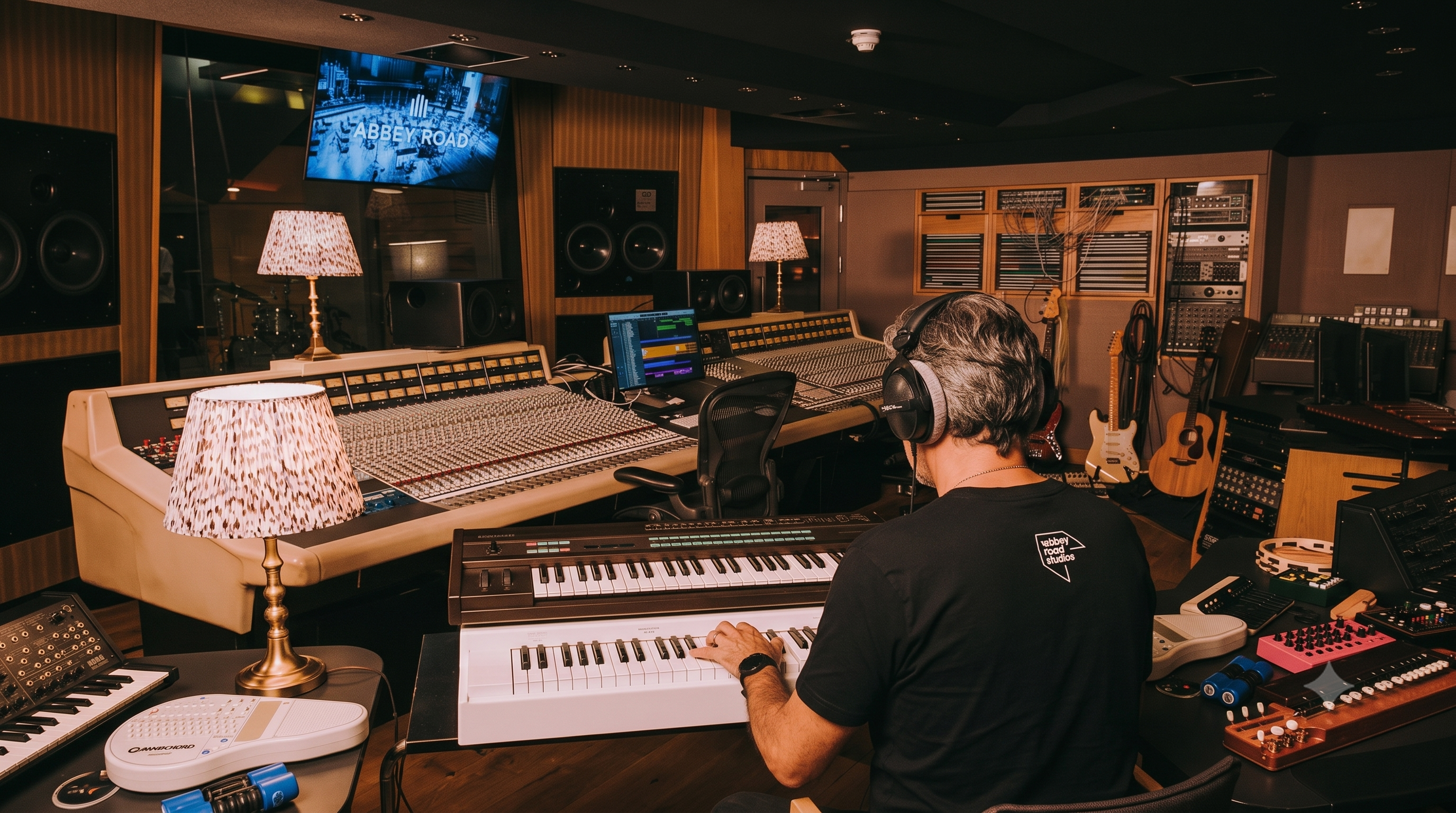
Early in my career, I worked as a sound designer for companies such as Angel City Audio and Valhala, creating sound libraries and sample collections for Korg and Roland instruments. At the time, many believed that sampling technology would make musicians obsolete.

It didn’t.

The opposite happened.

It gave producers, composers and musicians new creative possibilities while preserving what has always mattered most: artistic vision.

Later, while producing orchestral soundtracks for television, including projects for Brazil’s TV Globo such as Hilda Furacão, we combined digital samplers with real orchestras and live musicians. Technology became part of the creative process, not a substitute for it.

Today, AI represents another extraordinary leap forward.

Independent creators now have access to production tools that were once available only in world-class recording studios. That is a remarkable democratization of music production.

But access to technology has never been the same as artistic identity.

Artificial Intelligence can suggest harmonies, generate arrangements, create sounds and even produce complete tracks.

What it cannot replace is the artistic intention behind every creative decision.

The personality of an artist is not found in the software they use.

It is found in their choices.

In their taste.

In their cultural references.

In the emotions they decide to communicate.

This is why I believe AI should be embraced as a creative partner rather than a creative replacement.

A good example is the growing number of artists who deliberately choose to combine modern production techniques with live performances to create distinctive sonic identities. The goal is not to reject technology but to use it intentionally, ensuring that every artistic decision reflects a unique creative vision rather than simply accepting the first result generated by an algorithm.

The real challenge for today’s creators is no longer learning how to use AI.

It is learning how to remain recognizable in a world where everyone has access to the same tools.

Because audiences rarely connect with technology.

They connect with authenticity.

As the music industry continues to evolve, our greatest competitive advantage will not be the software we use.

It will be our ability to transform technology into something deeply human.

Technology will continue to evolve.

Creativity will continue to define us.

How do you use AI in your creative process?
Do you see it primarily as a creative assistant, a production tool, or something that could fundamentally change the role of composers and producers? I’d love to hear your perspective and continue this conversation with the Music2Deal community.

→ View profile on Music2Deal: https://music2deal.com/br/danielsilveiramusica

Join for free and become part of the international Music Business Network:

https://www.music2deal.com/site/register

music business · music industry

BIRTH PANGS

written by Allen Johnston – The Music Specialist

At a recent music conference, an executive from an independent distributor expressed a wish for the demise of the Internet, blaming it for the significant decline in record sales. Similarly, a major market radio consultant attributed the decrease in radio listenership across the United States to the Internet, advocating for its prohibition.

To both assertions, I respond with a resounding “It’s about time.” The outdated business practices and limited opportunities within the radio and record store systems should have been challenged long ago.

Allen Johnston – The Music Specialist

Michael Harrison, the publisher of Talkers magazine, addressed the National Association of Broadcasters Radio Show, highlighting the encroachment of competing technologies such as the Internet, Wi-Fi, podcasts, and cell phones. He emphasized that these advancements are gradually filling the niche currently occupied by traditional terrestrial radio, signaling dark times ahead for the industry.

The traditional record industry heavily relied on radio airplay and later incorporated platforms like MTV and BET to boost sales. However, this model has begun to crumble with the advent of technology, which has empowered more creators to produce music and multimedia content. Consequently, new avenues for exposure and consumption have emerged, marking the birth of a new era in the music industry.

RADIO

To remain profitable, radio stations must shift their focus to local sponsors and community engagement. The prevalence of genre-specific radio formats, including Hispanic, sports, talk, Asian, and Haitian, is on the rise. It’s foreseeable that such audience-targeted formats will become mainstream, especially considering the wealth of music available through various devices, leading listeners away from traditional radio.

RETAIL

Independent record retailers are facing extinction, prompting them to diversify their offerings with clothing, multimedia accessories, and adult novelties tailored to their specific customer base. Positive developments include partnerships like the one between MUSICNET and LA CURACAO, which has led to the creation of PASITO TUNES, a Hispanic-focused digital music service catering to diverse Latino music genres.

RECORDS

Sales of CDs, vinyl, and cassettes are rapidly declining, while digital sales are increasing, albeit not compensating for the loss. Record labels are adapting by shifting their focus from promoting records to licensing content. For instance, UNIVERSAL MUSIC GROUP is exploring a comprehensive subscription plan called TOTALMUSIC, contingent upon cooperation from ISPs and mobile access providers.

The NATIONAL MUSIC PUBLISHERS ASSOCIATION is intensifying efforts to combat unauthorized song lyric websites, demanding that search engines like GOOGLE and YAHOO! remove references to them. This move coincides with the industry’s efforts to launch official online lyric offerings through platforms like YAHOO! MUSIC and REAL NETWORKS’ RHAPSODY.

Since 2003, IODA has been a pioneer in digital independent music distribution. Expanding into digital video distribution, IODA/THE ORCHARD now offers content from top-tier indie film production companies alongside its music video catalog, available on various distribution outlets.

In summary, the music business has evolved into a licensing-centric industry, propelled by technological advancements and shifting consumer preferences.

Links:

https://music2deal.com/us/MusicSpecialist

http://www.musicspecialistspeaks.com/

https://www.musicspecialistdistribution.com/