Every technological revolution in music has been accompanied by the same question:
“Will this replace musicians?”
Today, the debate revolves around Artificial Intelligence. Thirty years ago, it was about digital samplers. Before that, it was synthesizers, drum machines and digital recording.
History has shown us something interesting: technology rarely replaces creativity. Instead, it changes the way we express it.
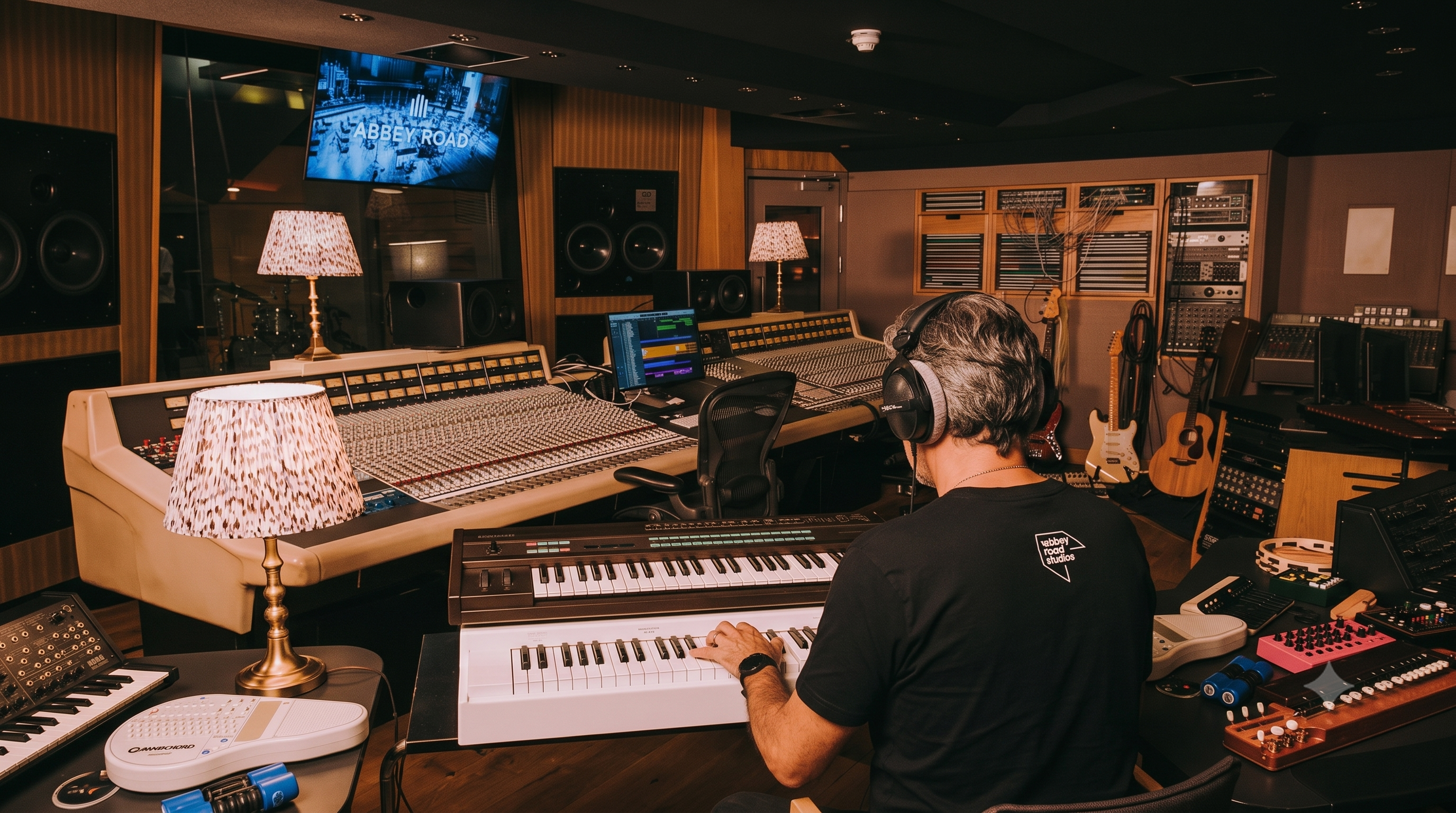
Early in my career, I worked as a sound designer for companies such as Angel City Audio and Valhala, creating sound libraries and sample collections for Korg and Roland instruments. At the time, many believed that sampling technology would make musicians obsolete.
It didn’t.
The opposite happened.
It gave producers, composers and musicians new creative possibilities while preserving what has always mattered most: artistic vision.
Later, while producing orchestral soundtracks for television, including projects for Brazil’s TV Globo such asHilda Furacão, we combined digital samplers with real orchestras and live musicians. Technology became part of the creative process, not a substitute for it.
Today, AI represents another extraordinary leap forward.
Independent creators now have access to production tools that were once available only in world-class recording studios. That is a remarkable democratization of music production.
But access to technology has never been the same as artistic identity.
Artificial Intelligence can suggest harmonies, generate arrangements, create sounds and even produce complete tracks.
What it cannot replace is the artistic intention behind every creative decision.
The personality of an artist is not found in the software they use.
It is found in their choices.
In their taste.
In their cultural references.
In the emotions they decide to communicate.
This is why I believe AI should be embraced as a creative partner rather than a creative replacement.
A good example is the growing number of artists who deliberately choose to combine modern production techniques with live performances to create distinctive sonic identities. The goal is not to reject technology but to use it intentionally, ensuring that every artistic decision reflects a unique creative vision rather than simply accepting the first result generated by an algorithm.
The real challenge for today’s creators is no longer learning how to use AI.
It is learning how to remain recognizable in a world where everyone has access to the same tools.
Because audiences rarely connect with technology.
They connect with authenticity.
As the music industry continues to evolve, our greatest competitive advantage will not be the software we use.
It will be our ability to transform technology into something deeply human.
Technology will continue to evolve.
Creativity will continue to define us.
How do you use AI in your creative process? Do you see it primarily as a creative assistant, a production tool, or something that could fundamentally change the role of composers and producers? I’d love to hear your perspective and continue this conversation with the Music2Deal community.
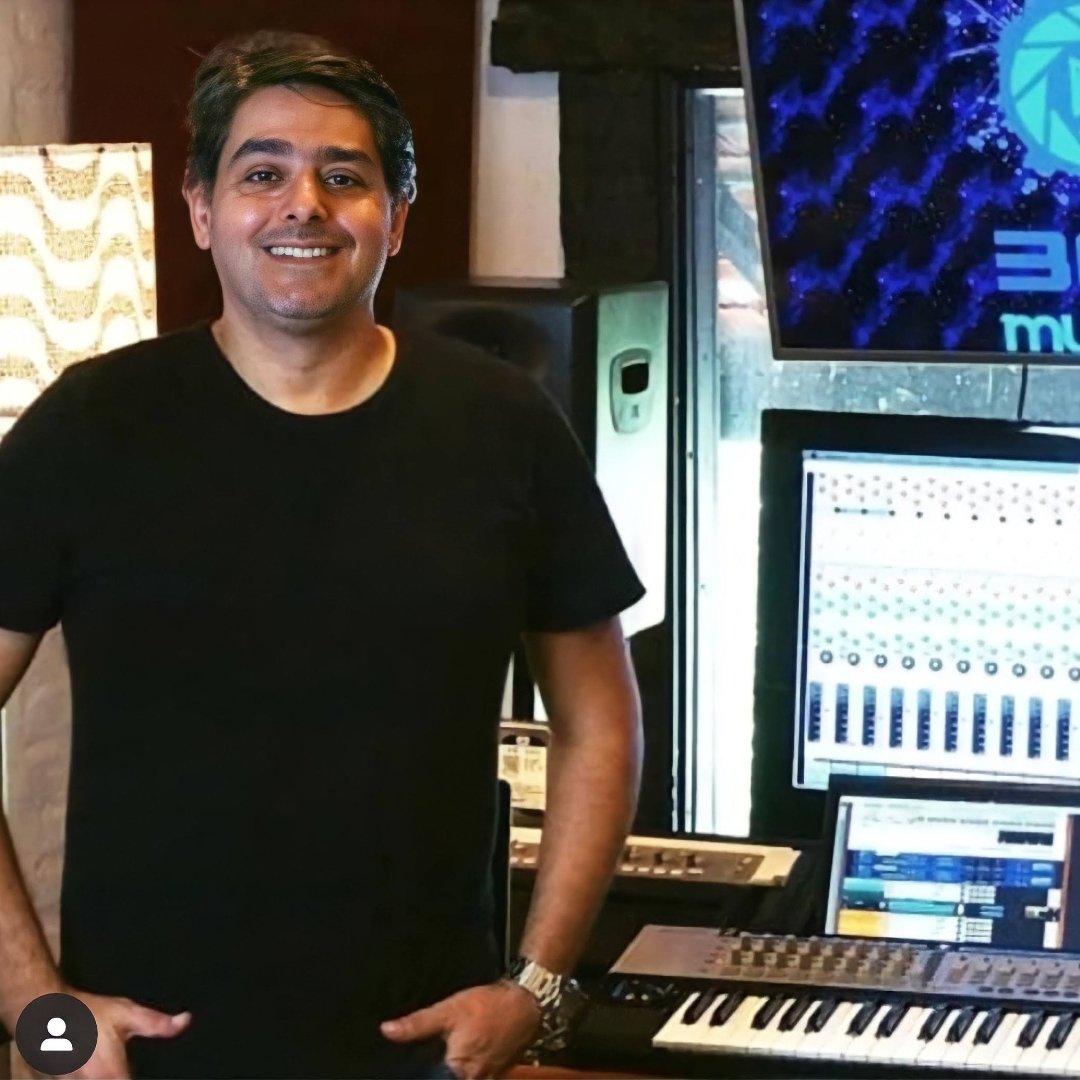
Music2Deal: Can you give us a quick intro—who is Daniel Silveira? Daniel Silveira: “I’m a creative and music professional with a strong background in artist development, A&R, and music and video production. Over the years, I’ve had the opportunity to collaborate with major global brands and internationally renowned artists, directing and producing high-profile projects across the music and entertainment industry. I’ve also led major TV and music events and contributed to soundtracks for iconic Brazilian productions, shaping memorable moments in pop culture. My passion lies in bringing artistic visions to life and creating impactful experiences for audiences worldwide.”
Music2Deal: Have you done international licensing or signed artists abroad? And in your opinion, which country offers the best opportunities for licensing music, and why? Daniel Silveira: “Yes, I’ve had the opportunity to license music and work with artists on an international scale, collaborating with major global brands and industry leaders. Throughout my career, I’ve facilitated international deals and expanded the reach of artists beyond their home markets. In terms of the best country to license music to, it depends on the genre and audience. The U.S., Brazil, and the U.K. are strong markets due to their global influence and streaming dominance, while Latin America and Europe offer great opportunities for artists with culturally resonant sounds. Ultimately, the right market is where the music connects most authentically with its audience.”
Music2Deal: What are some of the standout projects you’ve worked on? Daniel Silveira: “Throughout my career, I have had the privilege of directing and producing high-profile projects featuring world-class artists alongside Brazilian and Latin talents. These collaborations include Taylor Swift, Shania Twain, Michael Bolton, Frank Sinatra with Paula Fernandes, Enrique Iglesias with Luan Santana, Ivete Sangalo with Shakira, Alejandro Sanz, and Nelly Furtado, as well as Akon with Negra Li. I have also worked on audiovisual projects with Caetano Veloso, Jorge Benjor, Zeca Pagodinho, Kid Abelha, among many others. I’ve also spearheaded major television and music events like The Voice Brazil, MTV Studio Coca-Cola, Luau MTV, and Skol Beats Festival, helping shape some of the most iconic moments in live entertainment. Additionally, I’ve produced soundtracks for legendary Brazilian TV series and films, including Hilda Furacão, Kubanacan, and Senhora do Destino, which have left a lasting mark on pop culture. These projects stand out not only for their scale and influence but also for the way they seamlessly brought together music, artists, and media in a meaningful and powerful way.”
Photo with Shania, Danile and his team
Music2Deal: What exciting things are you currently working on? Daniel Silveira: “I am currently in Portugal, working on personal artistic projects and engaging with European music producers, as well as film, animation, and game producers, to develop innovative projects in these fields. My goal is to reconnect with my roots and create original music for the film industry, which is currently thriving due to the growth of video streaming platforms.”
Music2Deal: In your view, what’s the biggest challenge in today’s music industry—and how can it be tackled? Daniel Silveira: “One of the biggest challenges facing the music industry today is fair compensation for artists in the streaming era. While digital platforms have revolutionized access to music, they often fail to provide sustainable revenue for creators. To address this, we need a more balanced economic model—one that ensures artists receive fairer royalties, encourages direct fan engagement, and explores alternative monetization strategies such as sync licensing, exclusive content, and partnerships with film, gaming, and other media industries. By fostering innovation and advocating for better revenue distribution, we can create a more sustainable future for artists and the industry as a whole.”
Music2Deal: What’s on your radar for the coming year? Daniel Silveira: “Next year, my focus is on expanding my work in original music production. I plan to deepen my collaborations with European producers and creators, developing new projects that blend music with visual storytelling. Additionally, I want to leverage my experience in artist development and A&R to work on new cross-market opportunities, bridging Latin, European, and global audiences. With the continued growth of streaming platforms, I see a great opportunity to contribute to high-quality soundtracks and audiovisual productions that leave a lasting impact.”
Daniel with Luan Santana recording Bailando with Enrique Iglesias in Cuba
Music2Deal: What’s your take on Music2Deal.com? Daniel Silveira: “Music2Deal is an exceptional platform that bridges the gap between artists, musicians, and industry professionals, creating valuable opportunities for collaboration and growth. In today’s dynamic music industry, where partnerships can be developed both remotely and in person, having a dedicated space to connect, network, and exchange opportunities is more important than ever. Music2Deal not only facilitates these connections but also helps expand horizons, opening doors to new markets and creative collaborations worldwide.”
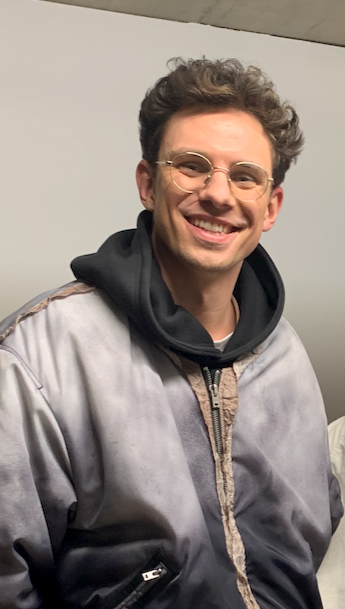
German singer songwriter Tim Kamrad rose to fame in 2017 with his single ‘Changes’. The 27 year olds pop oriented hits including ‘I Believe’, ‘Feel Alive’ and ‘I Hope You End Up Alone (With Me)’ and in 2024 he became a coach on The Voice Of Germany. This is the first of a two part interview.
Our professional A&R guru Richard Rogers asks the questions.
Kamrad, Richard Rogers
Richard Rogers: Nice to meet you Kamrad. Music2deal is an online music platform for the music industry. It is to connect people involved with music in whichever area they are working within. As for the platform itself, well, think of a Facebook for the music industry. Getting bands online, bands working with producers. Writers working with other writers, collaborations etc.
Kamrad: it makes a lot of sense actually, I get it. It is (music) after all the most consumed thing in the world after food, I believe. You can obviously connect to a lot of people. different people in different cities and it’s hard to reach them so if you have a platform and a global connection then I think it’s really good.
RR: well we just started a Music2deal online map so that you can find people online and where they are from.
K: that’s really nice.
RR: actually from Music2deal I worked with a band from Munster in the north of Germany. Well, Emsdetten actually.
K: I’ve not actually been there but I’ve heard about it on the radio. Particularly when they talk about the traffic and at some point they say Emsdetten. Laughs.
RR: do you have a team of A&R people around you that you work with or is it a single person or do they (the record company) just let you get on with the A&R?
K: well it’s actually a bit of all of it. Like I have one A&R Annie, the main A&R (at the record company), but we’re working with two or three other people but actually to be honest my main A&R is my producer. We’ve been working together for about seven years now, so we know each other very well. You know, we made all the songs before anything blew up (was successful) so therefore just us two.
Then there are two more guys in the studio working on music and we’re kind of figuring out the sound and where we want to go and maybe suggesting a single to the label and when they say that’s a good song, we’ll probably do it (release it) because you know it has my name on it. So I wanna have my name on it so we have my vision in the way that I want to present it. But then feedback is always good from my management or from some people at the label in A&R and production.
RR: so you have a good bedrock (foundation) so to speak?
K: yeah then again I would rather go for the flop single that I chose than the hit that I didn’t like that somebody else chose. Do you know what I mean?
RR: well I think you’re doing alright so far. Laughs
K: yeah, I think you know if you get a feeling for what is right for me then the next steps are that you should probably go your way but still it’s great to have people you know caring and giving their opinions.
RR: so the record company Epic/Sony Records let you get on with both the writing and the recordings? Are the recordings done in the same studio as your home studio which I think is in Bochum, Germany?
K: well actually it’s the studio from my producer. For some reason on Wikipedia it says the studio is mine and it’s a great studio but it’s not mine it’s my producers. So every day that I’m not on tour, I’m in the studio and we’re working on music and it’s very connected. You know we’re writing and producing so it’s all in one. It’s a really cool base because no one else there does music so we’re on our own, so we’re not too much in the bubble, which I think is really good to stay connected too. The people that really listen to music.
RR: well I’ve been doing A&R for many years and I promise you it’s not the easiest job in the world, to put it mildly.
K: well I think A&R has changed a lot. It’s not really so much picking an artist and a song and believing in it and fighting for it to work, although there are A&R people that still do that. I mean in my team they still do it, I mean, they really do it, but that general A&R now is, finding the viral TikTok and signing them and making this bigger. But it’s not like working on the core, which is the music and I think that has become less of an important thing. From the label perspective.
RR: well now the marketing appears to be more important than ever.
K: and it’s now the hit that is more important than the artist I think. But in the end the artist will always be more important because people want a person to feel connected too and for them to be understood by going to a show for example. You can have 1 million artists and 1 million hits but you’d rather have one artist that you can really connect to such as Ed Sheeran, you know an artist that tells their story. You know in Germany it’s changed into like a viral only concept that I don’t really like and music is so much more than just viral.
RR: okay and when it comes to your albums, what happens because you’ve only released one full album in eight years. So you bring out these EPS with five or six tracks and they’re only about 2 1/2 minutes per song, and I’m not saying that’s wrong I’m simply making an observation. So for you, is it a case of you deciding not to put out an album or do you have something on the horizon album wise? Maybe this year?
K: that’s a good question. You know it’s really hard because I’m not much of an album listener. Still I know an album is still really important to build the brand of an artist. To really attach fans to a project in a way cause I feel like singles are great and they make people notice you and they make people maybe buy a ticket to a show. If you have an album out then people will come again and again and again and that is what you want, particularly if you wanna have more than 1 or 2 years (in the industry), maybe 20 years, yeah a full career, so I feel like you know there’s gonna be an album. But I want to put out as much music as fast as possible so I felt that the fastest way to do it was release EPs and it’s not because I’m lazy or anything or I’m trying to be attractive to the algorithm.
It’s rather, I make the song that I would rather listen to and I have a feeling that when I have a four minute song, I’d rather play the two minute 30 second song twice. So not to get bored by the four minute song, this is my idea of doing it. There are some four minute songs that work really well but for me, it’s like ‘get to the point and listen to it again’.
RR: well fair enough. Had you not thought of doing both? Whereas you could do an extended mixes EP and the ordinary short versions EP.
K: well we do that live, so we have long versions of the songs and I really like that. And I think at some point there’s gonna be an extended thing to present what we do on stage as well as onto the streaming platforms. This is like a weird thing because I’m so much into trying to make a great hit and a great pop song and not only the success of it. You know the writing, you know being so on point of a hit. This is what I really like and gives me the biggest smile. I’m a big Max Martin junkie, I studied everything he did. For me, I try to make the best pop song possible. So it’s hard to go the five minute way when you want to do that.
Part 2 of the interview with Kamrad will be available on Music2deal shortly.
Kamrad’s latest EP ‘Wanna Be Friends’ was released in November 2024 and he is currently supporting this release on the ‘Friends Tour’ in Germany, Switzerland and Austria for a number of months from January 2025 with more tours planned going into Winter 2026 across Europe. In addition he is now one of the judges on ‘The Voice Of Germany’.
Richard Rogers new book ‘Taylor Swift – ‘The Tortured Poets Department’ the Ultimate A&R Companion Guide’ will be released in April 2025 with contributions from Kamrad and Midge Ure. It will be available to Music2deal members for a heavily discounted once only price.