a&r · Interviews · music industry interview

Kamrad Interview for Music2Deal.com – Part 1

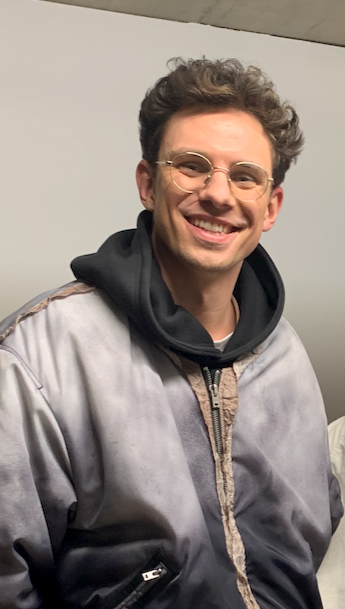
German singer songwriter Tim Kamrad rose to fame in 2017 with his single ‘Changes’. The 27 year olds pop oriented hits including ‘I Believe’, ‘Feel Alive’ and ‘I Hope You End Up Alone (With Me)’ and in 2024 he became a coach on The Voice Of Germany. This is the first of a two part interview.

Our professional A&R guru Richard Rogers asks the questions.

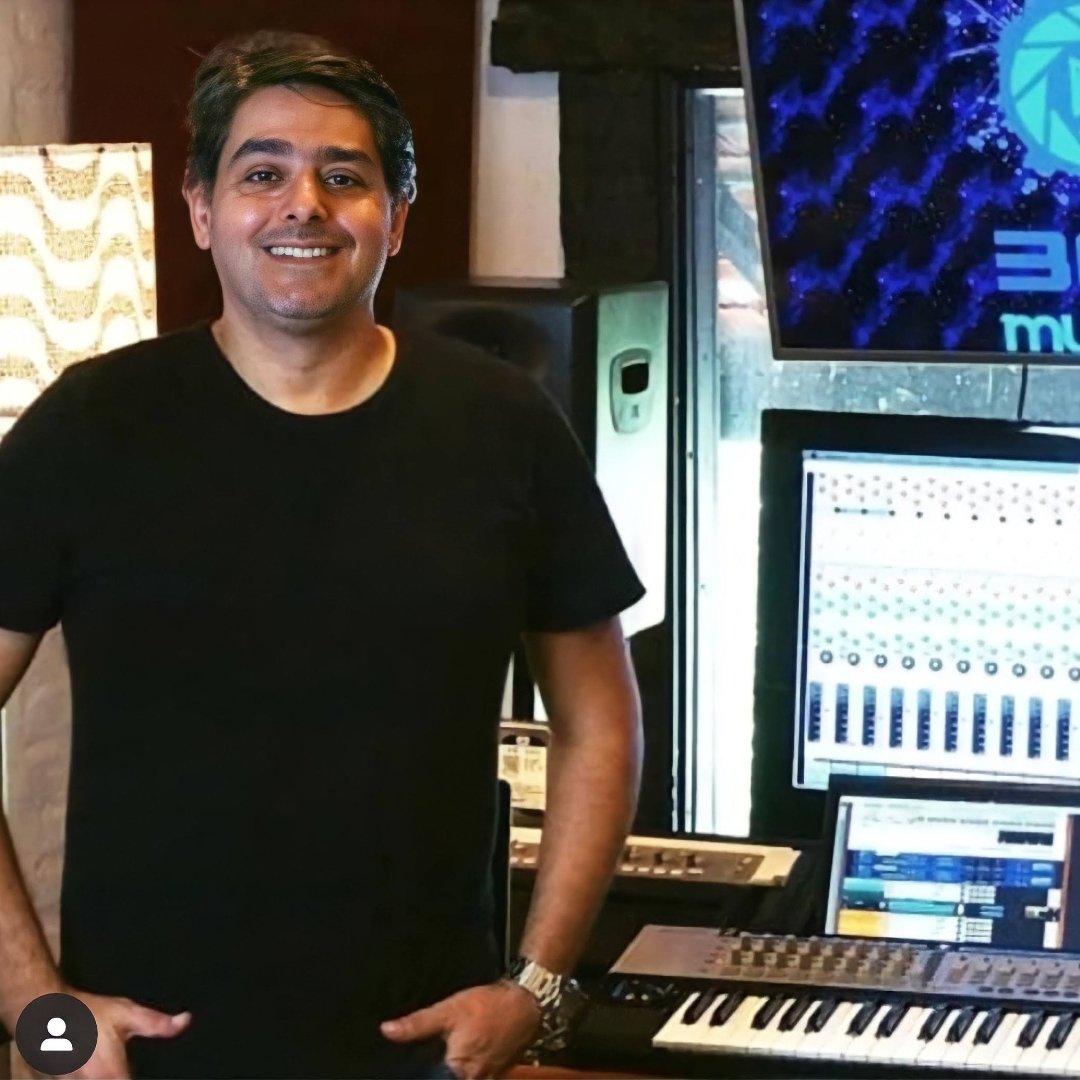
Kamrad, Richard Rogers

Richard Rogers: Nice to meet you Kamrad. Music2deal is an online music platform for the music industry. It is to connect people involved with music in whichever area they are working within. As for the platform itself, well, think of a Facebook for the music industry. Getting bands online, bands working with producers. Writers working with other writers, collaborations etc.

Kamrad:  it makes a lot of sense actually, I get it. It is (music) after all the most consumed thing in the world after food, I believe. You can obviously connect to a lot of people. different people in different cities and it’s hard to reach them so if you have a platform and a global connection then I think it’s really good.

RR: well we just started a Music2deal online map so that you can find people online and where they are from.

K: that’s really nice.

RR: actually from Music2deal I worked with a band from Munster in the north of Germany. Well, Emsdetten actually.

K: I’ve not actually been there but I’ve heard about it on the radio. Particularly when they talk about the traffic and at some point they say Emsdetten. Laughs.

RR: do you have a team of A&R people around you that you work with or is it a single person or do they (the record company) just let you get on with the A&R?

K: well it’s actually a bit of all of it. Like I have one A&R Annie, the main A&R (at the record company), but we’re working with two or three other people but actually to be honest my main A&R is my producer. We’ve been working together for about seven years now, so we know each other very well. You know, we made all the songs before anything blew up (was successful) so therefore just us two.

Then there are two more guys in the studio working on music and we’re kind of figuring out the sound and where we want to go and maybe suggesting a single to the label and when they say that’s a good song, we’ll probably do it (release it) because you know it has my name on it. So I wanna have my name on it so we have my vision in the way that I want to present it. But then feedback is always good from my management or from some people at the label in A&R and production.

RR: so you have a good bedrock (foundation) so to speak?

K: yeah then again I would rather go for the flop single that I chose than the hit that I didn’t like that somebody else chose. Do you know what I mean?  

RR: well I think you’re doing alright so far. Laughs

K:   yeah, I think you know if you get a feeling for what is right for me then the next steps are that you should probably go your way but still it’s great to have people you know caring and giving their opinions.

RR: so the record company Epic/Sony Records let you get on with both the writing and the recordings? Are the recordings done in the same studio as your home studio which I think is in Bochum, Germany?

K: well actually it’s the studio from my producer. For some reason on Wikipedia it says the studio is mine and it’s a great studio but it’s not mine it’s my producers. So every day that I’m not on tour, I’m in the studio and we’re working on music and it’s very connected. You know we’re writing and producing so it’s all in one. It’s a really cool base because no one else there does music so we’re on our own, so we’re not too much in the bubble, which I think is really good to stay connected too. The people that really listen to music.

RR: well I’ve been doing A&R for many years and I promise you it’s not the easiest job in the world, to put it mildly.

K: well I think A&R has changed a lot. It’s not really so much picking an artist and a song and believing in it and fighting for it to work, although there are A&R people that still do that. I mean in my team they still do it, I mean, they really do it, but that general A&R now is, finding the viral TikTok and signing them and making this bigger. But it’s not like working on the core, which is the music and I think that has become less of an important thing. From the label perspective.

RR: well now the marketing appears to be more important than ever.

K: and it’s now the hit that is more important than the artist I think. But in the end the artist will always be more important because people want a person to feel connected too and for them to be understood by going to a show for example. You can have 1 million artists and 1 million hits but you’d rather have one artist that you can really connect to such as Ed Sheeran, you know an artist that tells their story. You know in Germany it’s changed into like a viral only concept that I don’t really like and music is so much more than just viral.

RR: okay and when it comes to your albums, what happens because you’ve only released one full album in eight years. So you bring out these EPS with five or six tracks and they’re only about 2 1/2 minutes per song, and I’m not saying that’s wrong I’m simply making an observation. So for you, is it a case of you deciding not to put out an album or do you have something on the horizon album wise? Maybe this year?

K: that’s a good question. You know it’s really hard because I’m not much of an album listener. Still I know an album is still really important to build the brand of an artist. To really attach fans to a project in a way cause I feel like singles are great and they make people notice you and they make people maybe buy a ticket to a show. If you have an album out then people will come again and again and again and that is what you want, particularly if you wanna have more than 1 or 2 years (in the industry), maybe 20 years, yeah a full career, so I feel like you know there’s gonna be an album. But I want to put out as much music as fast as possible so I felt that the fastest way to do it was release EPs and it’s not because I’m lazy or anything or I’m trying to be attractive to the algorithm.

It’s rather, I make the song that I would rather listen to and I have a feeling that when I have a four minute song, I’d rather play the two minute 30 second song twice. So not to get bored by the four minute song, this is my idea of doing it. There are some four minute songs that work really well but for me, it’s like ‘get to the point and listen to it again’.

RR: well fair enough. Had you not thought of doing both? Whereas you could do an extended mixes EP and the ordinary short versions EP.

K: well we do that live, so we have long versions of the songs and I really like that. And I think at some point there’s gonna be an extended thing to present what we do on stage as well as onto the streaming platforms. This is like a weird thing because I’m so much into trying to make a great hit and a great pop song and not only the success of it. You know the writing, you know being so on point of a hit. This is what I really like and gives me the biggest smile. I’m a big Max Martin junkie, I studied everything he did. For me, I try to make the best pop song possible. So it’s hard to go the five minute way when you want to do that.

Part 2 of the interview with Kamrad will be available on Music2deal shortly.


Kamrad’s latest EP ‘Wanna Be Friends’ was released in November 2024 and he is currently supporting this release on the ‘Friends Tour’ in Germany, Switzerland and Austria for a number of months from January 2025 with more tours planned going into Winter 2026 across Europe. In addition he is now one of the judges on ‘The Voice Of Germany’.

Richard Rogers new book ‘Taylor Swift – ‘The Tortured Poets Department’ the Ultimate A&R Companion Guide’ will be released in April 2025 with contributions from Kamrad and Midge Ure. It will be available to Music2deal members for a heavily discounted once only price.

Links:
https://music2deal.com/gb/richardrogers

This & That

John O’Neill – Undertones Interview

This is the first of a two part interview with legendary guitarist and songwriter John O’Neill from The Undertones, That Petrol Emotion and trip hop darlings Rare. 

The man famous for writing ground breaking hit songs Jimmy Jimmy, Wednesday Week, Julie Ocean, Here Comes The Summer, Big Decision and of course John Peel’s favourite all time song and punk/new wave anthem Teenage Kicks.  

Our expert music industry A&R man Richard Rogers asks the questions.

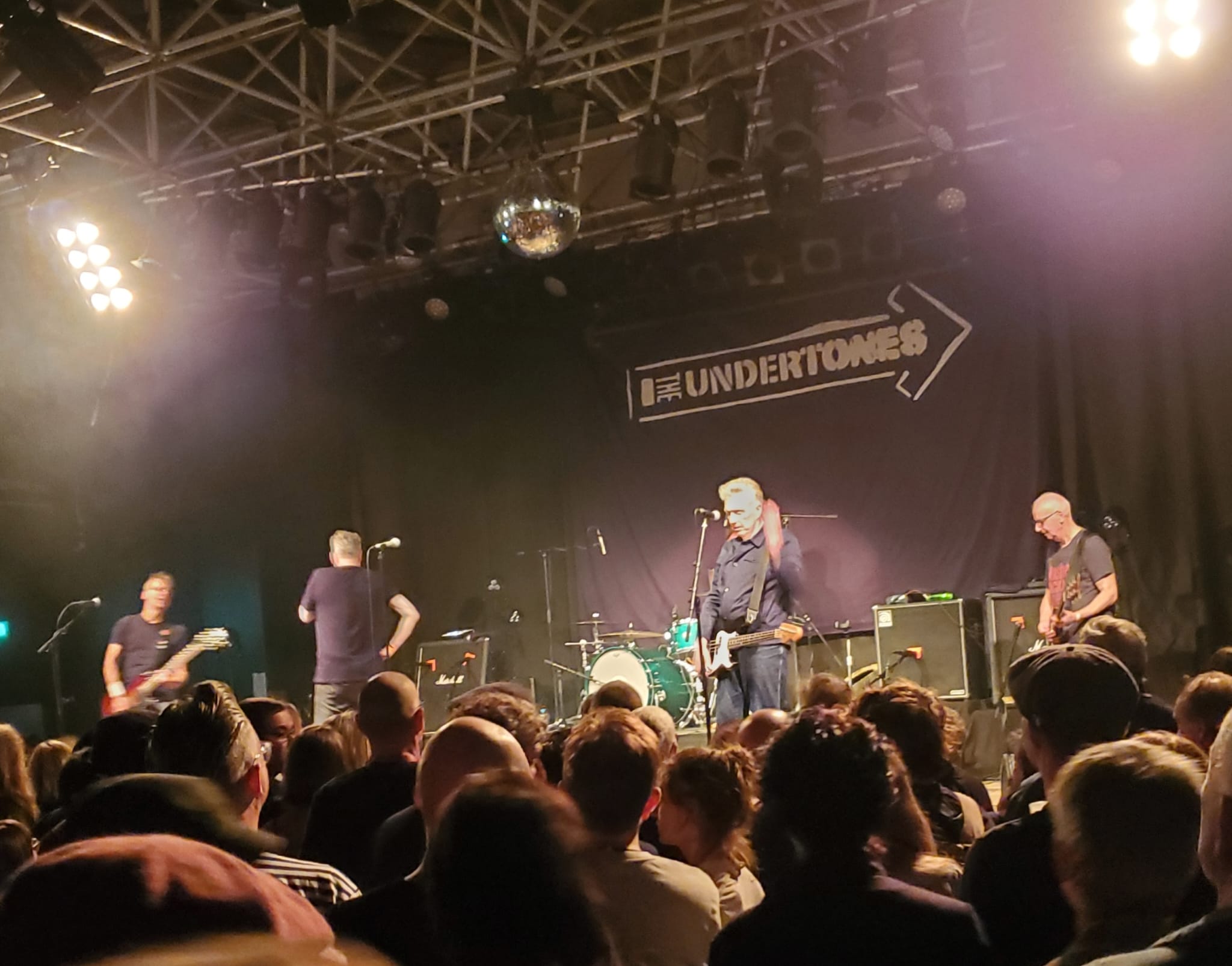
Richard Rogers:  Hi John, it’s great to see you. We are here in Düsseldorf for your band, The Undertones who are playing tonight at a sold out Zakk club. Welcome.

First question, why are you doing the tour when there is nothing to promote?

John O’Neill: hi Richard. To make money, basically that is the simple answer. Since 1999, our fees have trebled. With Feargal Sharkeyl not being in the band, we don’t get played on the radio now. Maybe Radio Six but otherwise we don’t get played, it’s very frustrating. At this stage, everybody has retired from their main jobs, so we do it just for a bit of money and we really enjoy it. We are getting bigger and bigger audiences and we are selling out most of the shows.

RR: so you’re just doing it for the craic (fun) really?

JON: yeah that’s it. And merchandise is selling better than ever before. So really, it’s just a hobby. But you know, The Undertones even in the olden days, we regarded it as a hobby, not a career thing. We never took ourselves that seriously. Even now with the last two albums they are under copyright control with us. We do not even have a publishing deal. It never seemed worth our while so we just kept the copyrights. 

Andy Ferguson, our manager always made sure that we had our rights, particularly after we had paid off our advances to record companies such as EMI and Sire Records. The last deal Andy did for us was with Universal and that was a good deal. We even have our own publishing company now called West Bank.

RR: so what happened with all the publishing when you were with the band That Petrol Emotion?

JON: well, Andy was managing the Petrols as well. We did not have a publishing deal for the first four albums by which time I had left the group. They got Scott Litt to produce the fifth album the guy that did the R.E.M. albums and they immediately got a big publishing deal. The albums I did with them were put into the deal, so in fact I got no money at all from them. I get the odd royalties for those albums now and again.

RR: I bought the first two albums Manic Pop Thrill and Babble but never went out and bought the third one which I’d heard and thought sounded odd, quite strange?

JON: no, it wasn’t that great. But the fourth album Chemicrazy, the one after I left was a great album. I personally think it was their best album, even though I wasn’t involved. It’s a good record again produced by Scott Litt.

RR: I heard a rumour and I don’t know if it’s true, that Paul Whitehouse, the comedian, actually auditioned for That Petrol Emotion in some capacity.

JON: yeah, that is true. He wanted to be the singer. We had no singer before Steve Mack and we put an advert in the NME. We didn’t say anything about The Undertones and this guy turned up and he couldn’t sing a note and it was Paul Whitehouse. But he was very funny, even then.

RR: actually, my mother said that he’s doing a fishing program with some other comedian, but I live here in Germany so I don’t see it. They’ve both been quite ill, I believe.

JON: yeah, that’s right. He is doing the program with Bob Mortimer from Reeves and Mortimer. Fishing must be an end thing that they do to relax.

RR: why did you leave That Petrol Emotion?

JON: my wife got pregnant with our second child, she was homesick to get back to Derry, basically. There was a tour that was going to be set up in America for about three months and I said ‘no, I can’t do that’ so I said I would leave the band. 

RR: and of course you were in the band Rare as well. I thought Rare were incredibly innovative and ahead of their time.

JON: well, I don’t know about that! I enjoyed that and we wrote some good songs. Funny enough, we’ve reformed and we’ve made another record. Which maybe we will try and put out as well.

RR: are you looking for record labels at the moment?

JON: well, no, we are just going to try and do it ourselves, there’s no point, no point. Maybe we’ll press about 1000 copies on vinyl, just to get it out there.

RR: how did you get on with Seymour Stein head of Sire Records who initially signed you up in the 1970s?

JON: yeah, we got on great actually. But the deal we signed was dreadful and it seemed Sire Records was getting 90% of everything we did and Andy Ferguson was seeing what was happening as he was working at Sire. He could see that we knew nothing about publishing and PRS and he said ‘I can see that you need help and I’ll manage you for one year and I won’t take any money for it and get you out of that deal and I’ll teach you all about publishing and everything’. You know we were so lucky getting someone as amazing as Andy from the very start. He’s been with us the whole time up to this year because he’s not been very well. The last thing he did for us was sign a new publishing deal.

RR: people will be very happy that you’ve done new music with Rare can you tell us a bit more about that please?

JON: well, we did it all ourselves. Luckily, a guy we were working with had a studio in his sitting room so we did it there and he helped us do the mixing there too. I played nearly everything, but we got in a drummer. 

RR: so the six or seven albums you’ve done with The Undertones plus the three That Petrol Emotion albums and the Rare album of those which is your favourite and why?

JON: well, I think the first Rare album actually. I got so involved with it because it was at the time when electronics were really coming in, so I was learning things like software, Cubase and Logic and how to use a sampler. I liked the thrill of it all out there, and I like that whole thing with bands like Massive Attack and Portishead, and I just fell in love with it, the whole Trip Hop thing. And that’s where I was headed. I was just starting to just write songs, getting them through a loop and then cutting them up and getting a tune that way..

RR: it seems like a completely different way for you to write songs.

JON: well, I was trying to get out of the same old chord stuff. Just making up a tune without the chords and then putting the chords in later, but really having that really cool beat there. Although it was very hard to re-create that live. We worked with triggering and samples live, but we had a live drummer as well. Especially back then in about 1995 with the technology as it was. You’d be in the middle of a set and the computer just crashes. It’s just unbelievable how the technology has come along.

Part 2 of the interview with John O’Neill will be available on Music2deal shortly.

Links:
https://music2deal.com/gb/richardrogers

This & That

How Musicians Can Catapult to Stardom: A Strategic Blueprint for Success

Articel by Courtney Rosenfeld

Courtney started Gig Spark to be a resource and the first step for people who are looking to join the gig economy, either to supplement their income or as a way to fulfill their dreams of becoming an entrepreneur.”

In the whirlwind world of music, carving a distinct niche and gaining recognition demands a blend of talent, strategy, and unwavering dedication. Courtesy of The Music2Deal Blog, this guide is your compass, navigating you through the crucial steps to elevate your music career from a whisper in the wind to a resounding anthem heard across the industry.

The Digital Stage: Crafting a Virtual Persona

In today’s digital era, your online presence is your stage, resonating with echoes of your musical identity. Start by sculpting a professional website, a digital haven where your music lives, breathes, and interacts with your audience. But don’t halt there. Dive into the ocean of social media, where platforms become your amplifiers, extending your reach, connecting with fans, and echoing your artistic voice across the digital realm.

Make it Official: the Importance of Contracts

Musicians should embrace digital contracts for their efficiency, accessibility, and security. These contracts streamline negotiations and signings, enabling artists to finalize agreements from anywhere in the world, without the delays associated with traditional paper-based processes. Digital contracts offer enhanced security features, such as encryption and digital signatures, ensuring the authenticity and confidentiality of sensitive information. Additionally, they facilitate better organization and easy retrieval of documents, which is crucial for managing multiple contracts and agreements.

The transparency and immediacy of digital contracts also foster trust between parties, as edits and updates can be made in real time. For musicians, who often juggle various projects and collaborations, the adoption of digital contracts can lead to smoother operations, better protection of their rights, and more time to focus on their art.

Expanding Your Reach: The Art of Music Promotion

Imagine your music as a river, seeking new paths, flowing into diverse landscapes. Platforms like Spotify, SoundCloud, and YouTube are your tributaries, channeling your music to unexplored territories. Engage with these platforms not just as repositories but as active tools to expand your audience, creating ripples that turn into waves in the vast sea of listeners.

Behind the Curtain: Understanding the Music Industry

Your art is your heart, but the music industry is the body that sustains it. Grasping the anatomy of this industry is crucial. Dive deep into the intricacies of contracts, royalties, and marketing. This knowledge is your armor and sword on the battlefield of the music world, ensuring your talent is not just seen but also protected and rewarded.

The Business Side: Going Back to School

Being a successful musician takes more than talent and hard work; it also takes a working understanding of the business world. Luckily, by going back to school for a business degree, you can give yourself a big advantage over the competition. And thanks to the flexibility of online learning platforms, you’ll be able to proceed at your own pace and implement what you’ve learned into your career in real time.

Seeking Wisdom: The Mentorship Pathway

In your journey, you’re not alone. The music industry, vast and complex, can be navigated with the aid of those who’ve charted these waters before. Mentorship is more than advice; it’s a lantern in the dark, guiding you through industry intricacies, helping you sidestep pitfalls, and shining light on opportunities you might otherwise miss.

Maximize Creativity and Efficiency: Shape a Home Music Room

Having a dedicated home music room is essential for musicians, offering a sanctuary where creativity can flourish without bounds. This space allows for uninterrupted practice and experimentation, critical for honing skills and developing new sounds. Moreover, it serves as a personal archive where instruments, equipment, and records can be stored safely and accessed easily. What’s more, a music room provides an ideal environment for recording, free from outside noise and distractions, ensuring high-quality sound production. These types of home renovations also boost your home’s overall value, too.

The physical separation of a music room from the rest of the living space helps in mentally transitioning into a creative mindset, fostering focus and inspiration. For musicians, a home music room isn’t just a luxury; it’s a vital component of their artistic process, enabling them to explore their craft deeply and produce their best work.

Harmonious Alliances: The Power of Collaboration

In the world of music, collaboration is akin to a dance of creativity, each step a fusion of diverse artistic expressions. Working alongside fellow artists not only opens doors to new styles and ideas but also introduces you to broader audiences. These collaborations are more than mere joint projects; they are vital bridges. They connect your musical world with others, enriching your work with diverse influences and expanding your fan base through shared platforms.

Your Portfolio: Your Musical Mosaic

Your portfolio is more than a collection; it’s your personal story expressed in the language of chords and melodies. It forms a diverse tapestry, vividly showcasing your artistic range, from deeply soul-stirring tracks to electrifying live performances. This curated compilation stands as undeniable proof of your artistry and skill. Its appeal extends beyond your fans, reaching and impressing industry gatekeepers.

Leave Your Mark: Showcase Yourself on Music2Deal

In the modern music industry, aspiring artists need to take advantage of online platforms that can help them showcase their talents and connect with key players in the business. One such platform is Music2Deal, which has become a go-to resource for musicians looking to take their careers to the next level. By joining this unique online community, artists can create profiles that highlight their music, share their work with producers, managers, and fellow musicians, and discover exciting opportunities that might be difficult to find elsewhere. Engaging with a platform like Music2Deal can be a game-changer for up-and-coming artists, helping them build their reputation, form valuable collaborations, and ultimately break into the world of music.

Your path to musical fame is a symphony composed of multiple notes – each step is a critical chord in the grand composition of your career. Embrace these strategies with passion and perseverance, and watch as your music transcends boundaries, reaching new heights and resonating with audiences far and wide. Remember, in the symphony of your career, you are the conductor, and the world awaits your music.

Image via Pexels