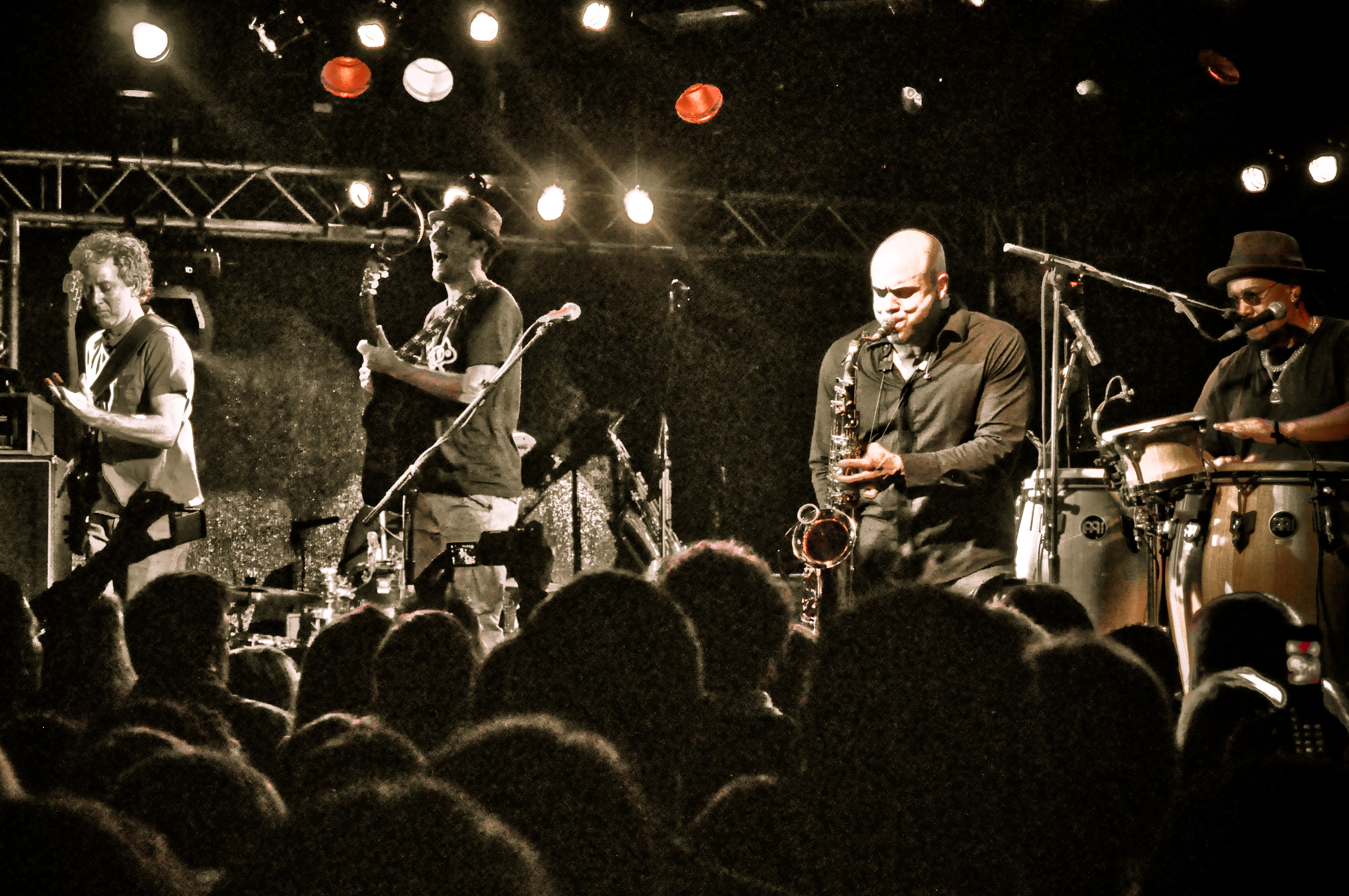
The venue should be a little bit smaller than what you actually need. It looks much better to bring 200 people to a place that is made for 150 people, than to bring 500 people to a place that fits 2.000. Make also sure to pick the right venue by scene and appropriate to your musical genre.
2. Book the venue in time
When you picked the right venue, make sure to book it at least 2 months in advance. Your chance that the right date will be available is much better, if you send them your booking request as early as you can (up to 6 months in advance).
3. Check the booking policies
Don’t forget to check out the venue’s booking policies before you contact them. They will tell you the name of the right contact person and what they need from you. The booking polies will also tell you if you need to fill in a booking form, send an email or just call the contact person.
4. Give options
To speed up proceedings you can mention a few different dates that you are interested in. Many venues will save the “good dates” (especially the weekends) for bands and artists that are already known, so don’t be sad if you are not able to get a weekend that the first time around.
5. Promote yourself
The venue is interested in making money, so tell them how you will promote the show. You can also ask other artists in the area to be your opening act. Make sure to submit the contact person a link where he/she can listen to your songs to see what you sound like. Don’t send MP3 files or band pictures because nobody wants attachments filling up their inbox.
Trying to find the right producer for your songs may not be as easy as it actually sounds. As an artist, you have great visions and you will need somebody who helps you to translate these visions to the rest of the world. A good producer should bring out the best in you, even if this means hard work, sweat and tears. So one important thing your producer should definitely have is experience. It has to be somebody you can put your trust in and somebody who has the right connections in the music industry to help you achieving your goals.
Finding a match with good chemistry will give your songs more energy and will bring out the best in you as an artist. Most producers are looking for something unique in an artist, so try to keep that in mind. They are going to invest a lot of time and effort in you, so first of all you should believe in yourself and your talent.
As a first step you will need to know how much money you will be able to pay for the services of a producer and if you are willing to travel if he doesn’t live nearby. Then you can start your search and contact the producers you like. Don’t hesitate to approach a big name producer because you never know who is going to like your music. Set up a meeting with the candidates and invite each one to come and see you live. It is important that you find someone you feel comfortable being around.
When you have the first meeting with a producer you like, make sure to have many songs to choose from. Bring your lyrics sheets and your tapes with you and let him listen to a variety of songs. It may be hard for an artist to be objective about his own songs, but it’s possible that the producer likes a song you are unsure about. This is a great opportunity to work on this song together to make it better!
Keep communicating with the producer after showing him some of your songs. You can ask him anything that comes to your mind and a good producer will also be interested in knowing some things about you and your songs, too. It’s a matter of chemistry and you should be sure that HE is the right one to translate your visions into music.
If you found your perfect match it’s time for the contract. This should at least include the duration of the project, the scale per song or per hour, the budget and when the payments should be made.
Many producers from all around the world can be found on Music2Deal, so don’t hesitate to get in contact with them!
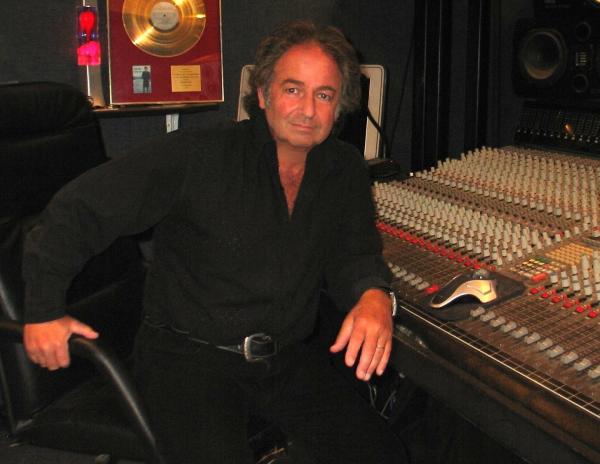
Stuart Epps has worked with many great artists, such as Elton John, Robbie Williams and Oasis
Tell us a bit about yourself in the music industry?
I started off at DJM when I left school at 15 in 1967. DJM were the Beatles publisher at the time. I started as office boy, then assistant engineer then engineer. 1967 were amazing times and that’s where I met Elton John, then known as Reg Dwight. That was background in engineering at DJM but then fairly soon I went into A&R and we had DJM Records and I left engineering but then I was producing with Elton John.
Then in 1971 I was working for Rocket Records looking for new artists doing A&R and touring with Elton John and then with Kiki Dee. Then I became Personal Manager to Elton John and the tours were quite big about 3 months long or so. Then I did the same with Kiki Dee including big USA tours for the two of them.
After the 1974 tour I was 24 and was going to retire but saw a guy called Gus Dudgeon who was building a studio in Berkshire and I wanted to come on board at the Mill Studios which I co-ordinated the building and implementation of the studios. We did a new band signed to Rocket called Shooting Star and an act named Voyager who we produced a top 5 hit with Halfway Hotel. We also did Lindisfarne (Run From Home). Then I engineered on Chris Rea’s first album and did all the backing vocals. I engineered the huge hit ‘Fool If You Think It’s Over’ for him and then record after record including Gilbert O’Sullivan’s ‘What’s In A Kiss’. Then the Ice On Fire album for Elton John including the big hit Nikita and before that Song For Guy a major hit single also for Elton.
In about 1981 Gus sold the studio and Jimmy Page from Led Zeppelin bought it and asked me to work for him and I became his studio engineer and studio manager. Things took off on a producer basis for me as Atlantic Records were working a lot with Zeppelin and they asked me to produce Twisted Sister and again another hit with ‘I Am, I’m Me’, then worked with a guy from Whitesnake under the name of Van Den Burgh and we had a huge top USA smash with Burning Heart.
I then recorded and engineered the last Led Zeppelin album with Jimmy Page called Coda and it wasn’t long after Jimmy Page bought the studio that Bonham was found dead in his house so that was the end of Led Zeppelin but Jimmy wanted to put the Coda album out as a tribute to John Bonham. We took all the tracks and extra multi tracks from ‘In Thru The Out Door’ and any leftover tracks and then 6 minutes of drums from the Montreux studios sessions.
I did record another album with Jimmy for the Soundtrack to Death Wish II. Another project was a project of Paul Rodgers and Jimmy Page under the name of The Firm that I definitely did co-produce although you won’t find it on the sleeves and that contained a large hit called Radioactive. That was a great album.
What do you recommend anybody on Music2Deal who is looking to become a producer, what is the best way to get into production?
Really producers generally come from engineers which I think is a good grounding of how an engineer and the recording side works. Having said that producers don’t have to come from that background.
It’s definitely a good thing for me to come from an A&R background as the crossover of both production and A&R can be immense although it does depend on what the producers role is which can change depending on the project and what the record company require. In my way it is choosing the songs so a background in A&R is really important. It’s musicality, A&R, experience really the whole thing of coming into the studio and landing with ideas. It’s vital for the producer to know all that. The producer should always have ideas so working with Gus Dudgeon who produced Bowie and Elton was so amazing as that guy always had ideas. The producer is therefore the one who should be sailing the ship and coming up with thoughts and ideas.
What bands are you currently producing?
I’m currently producing a band called Machine People in the UK with Richard Rogers. I’ve just entered into working with various new artists via remote producing and file sharing although I’m also working in the usual way with one of the guys from The Who and also Shakin’ Stevens. Working with Zak Starkey on his solo album, the son of Ringo Starr from The Beatles and formerly with Oasis and The La’s.
If you had the choice of producing one artist dead or alive who would it be?
I used to say Joni Mitchell but I guess having worked with them Led Zeppelin again.
What is the weirdest project you worked on?
That could be the Soundtrack to Death Wish II and seeing how Jimmy Page’s mind works. He was using the Theramin and early early guitar synths and just had so many weird and wonderful ideas. It was brilliant to watch him, as a musician he is brilliant but as a producer he was stunning.
A few words about Music2Deal?
Music2Deal is obviously a fantastic tool and a marvellous system to have to help you with your music. I’m all for Music2Deal. I think it is totally brilliant.

 The Music2Deal Blog