We’re excited to announce the launch of the latest Music2Deal update – focused on improving visual presentation and increasing reach for Premium members.
1. Enhanced Pinboard Display The pinboard has received a visual upgrade: images now appear larger and more dynamic, and videos begin streaming automatically when they come into focus. This new design makes content more engaging and brings your music offers and posts to life instantly.
2. Expanded Reach for Premium Posts Premium members now have the ability to promote their posts beyond their direct network. Whether you’re sharing a music offer, a need, or an update, your post can now reach a broader range of verified music professionals — helping you generate more visibility and stronger connections.
These updates continue our mission to provide a powerful, intuitive platform designed specifically for the music industry. Whether you’re a manager, label, artist, or publisher, Music2Deal is evolving to serve your professional needs better than ever.
Thanks for being part of the Music2Deal community — where real music business happens.
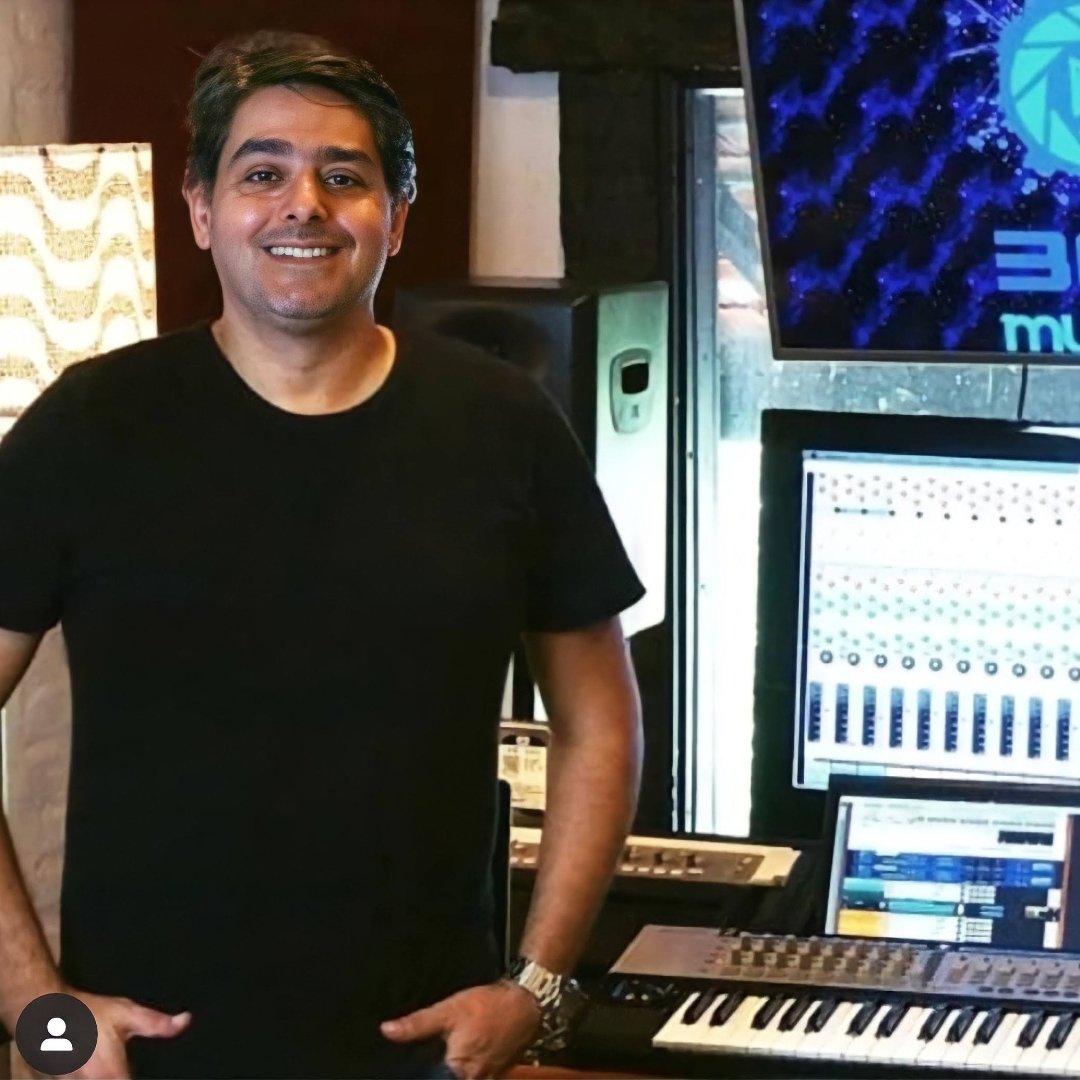
Music2Deal: Can you give us a quick intro—who is Daniel Silveira? Daniel Silveira: “I’m a creative and music professional with a strong background in artist development, A&R, and music and video production. Over the years, I’ve had the opportunity to collaborate with major global brands and internationally renowned artists, directing and producing high-profile projects across the music and entertainment industry. I’ve also led major TV and music events and contributed to soundtracks for iconic Brazilian productions, shaping memorable moments in pop culture. My passion lies in bringing artistic visions to life and creating impactful experiences for audiences worldwide.”
Music2Deal: Have you done international licensing or signed artists abroad? And in your opinion, which country offers the best opportunities for licensing music, and why? Daniel Silveira: “Yes, I’ve had the opportunity to license music and work with artists on an international scale, collaborating with major global brands and industry leaders. Throughout my career, I’ve facilitated international deals and expanded the reach of artists beyond their home markets. In terms of the best country to license music to, it depends on the genre and audience. The U.S., Brazil, and the U.K. are strong markets due to their global influence and streaming dominance, while Latin America and Europe offer great opportunities for artists with culturally resonant sounds. Ultimately, the right market is where the music connects most authentically with its audience.”
Music2Deal: What are some of the standout projects you’ve worked on? Daniel Silveira: “Throughout my career, I have had the privilege of directing and producing high-profile projects featuring world-class artists alongside Brazilian and Latin talents. These collaborations include Taylor Swift, Shania Twain, Michael Bolton, Frank Sinatra with Paula Fernandes, Enrique Iglesias with Luan Santana, Ivete Sangalo with Shakira, Alejandro Sanz, and Nelly Furtado, as well as Akon with Negra Li. I have also worked on audiovisual projects with Caetano Veloso, Jorge Benjor, Zeca Pagodinho, Kid Abelha, among many others. I’ve also spearheaded major television and music events like The Voice Brazil, MTV Studio Coca-Cola, Luau MTV, and Skol Beats Festival, helping shape some of the most iconic moments in live entertainment. Additionally, I’ve produced soundtracks for legendary Brazilian TV series and films, including Hilda Furacão, Kubanacan, and Senhora do Destino, which have left a lasting mark on pop culture. These projects stand out not only for their scale and influence but also for the way they seamlessly brought together music, artists, and media in a meaningful and powerful way.”
Photo with Shania, Danile and his team
Music2Deal: What exciting things are you currently working on? Daniel Silveira: “I am currently in Portugal, working on personal artistic projects and engaging with European music producers, as well as film, animation, and game producers, to develop innovative projects in these fields. My goal is to reconnect with my roots and create original music for the film industry, which is currently thriving due to the growth of video streaming platforms.”
Music2Deal: In your view, what’s the biggest challenge in today’s music industry—and how can it be tackled? Daniel Silveira: “One of the biggest challenges facing the music industry today is fair compensation for artists in the streaming era. While digital platforms have revolutionized access to music, they often fail to provide sustainable revenue for creators. To address this, we need a more balanced economic model—one that ensures artists receive fairer royalties, encourages direct fan engagement, and explores alternative monetization strategies such as sync licensing, exclusive content, and partnerships with film, gaming, and other media industries. By fostering innovation and advocating for better revenue distribution, we can create a more sustainable future for artists and the industry as a whole.”
Music2Deal: What’s on your radar for the coming year? Daniel Silveira: “Next year, my focus is on expanding my work in original music production. I plan to deepen my collaborations with European producers and creators, developing new projects that blend music with visual storytelling. Additionally, I want to leverage my experience in artist development and A&R to work on new cross-market opportunities, bridging Latin, European, and global audiences. With the continued growth of streaming platforms, I see a great opportunity to contribute to high-quality soundtracks and audiovisual productions that leave a lasting impact.”
Daniel with Luan Santana recording Bailando with Enrique Iglesias in Cuba
Music2Deal: What’s your take on Music2Deal.com? Daniel Silveira: “Music2Deal is an exceptional platform that bridges the gap between artists, musicians, and industry professionals, creating valuable opportunities for collaboration and growth. In today’s dynamic music industry, where partnerships can be developed both remotely and in person, having a dedicated space to connect, network, and exchange opportunities is more important than ever. Music2Deal not only facilitates these connections but also helps expand horizons, opening doors to new markets and creative collaborations worldwide.”
Music2Deal: Welcome, Maurits! Airplay promotion is a crucial part of the music industry. Can you briefly explain what Airplay Promotion does?
Maurits Dofferhoff: Thank you! At Airplay Promotion, we help artists and labels get their music on radio and streaming platforms. We collaborate with radio stations, curators, and DJs to create the right exposure. This not only increases a track’s reach but also boosts streams, Shazam searches, and even chart positions.
Music2Deal: Many artists believe that streaming is everything these days. Why is radio still so important for promotion?
Maurits Dofferhoff: Streaming is incredibly powerful, but radio remains a crucial factor in music promotion. It provides credibility, reaches a broad audience, and exposes tracks in places where streaming alone might not reach. We’ve seen that radio airplay directly impacts streaming numbers and helps tracks go viral. Many big hits still start on radio before they explode on streaming services.
Music2Deal: What is the biggest misconception artists have about airplay promotion?
Maurits Dofferhoff: Many artists think their track will automatically get picked up if it’s good enough. But without the right strategy and connections, it’s tough to get into radio stations and playlists. Airplay promotion isn’t just about sending out a track it’s about storytelling, timing, and proper follow-ups with the media.
Music2Deal: What makes a song radio friendly, in your opinion?
Maurits Dofferhoff: First, the production quality has to be top notch a strong mix and master are essential. Radio stations also look for catchy hooks, a clear structure, and whether the track fits their audience. Length matters too; songs between 2:30 and 3:30 minutes usually work best. And of course, timing is key pushing a summer track in the winter often doesn’t work as well.
Music2Deal: Airplay Promotion works with many artists and labels. Can you share a success story?
Maurits Dofferhoff: Absolutely! A great example is the recent release of DJ Mauritius – ‘Alive’. We strategically pitched this track to radio and streaming curators before Miami Music Week and WMC 2025. As a result, it gained early support from key DJs and was added to several playlists, even before its official release. This kind of campaign shows just how powerful a well planned airplay strategy can be.
Music2Deal: How do you see the future of airplay promotion?
Maurits Dofferhoff: I think AI and data analysis will play an increasingly important role in identifying the right audiences. We also see that hybrid promotion a mix of radio, streaming, and social media is becoming the new standard. But one thing remains the same: great music and a compelling story are still the foundation of success.
Music2Deal: Finally, what is your top advice for artists looking to use airplay promotion?
Maurits Dofferhoff: Be strategic and realistic. Build your branding and create a story around your music. Work with professionals who know the industry. And most importantly, stay consistent and patient airplay promotion is an investment that pays off in the long run!
Music2Deal: Thanks for this inspiring conversation, Maurits!
Maurits Dofferhoff: My pleasure! And for artists and labels looking to grow through airplay, feel free to reach out. We’d love to help!
Music2Deal: Welcome, Maurits! Airplay promotion is a crucial part of the music industry. Can you briefly explain what Airplay Promotion does?
Maurits Dofferhoff: Thank you! At Airplay Promotion, we help artists and labels get their music on radio and streaming platforms. We collaborate with radio stations, curators, and DJs to create the right exposure. This not only increases a track’s reach but also boosts streams, Shazam searches, and even chart positions.
Music2Deal: Many artists believe that streaming is everything these days. Why is radio still so important for promotion?
Maurits Dofferhoff: Streaming is incredibly powerful, but radio remains a crucial factor in music promotion. It provides credibility, reaches a broad audience, and exposes tracks in places where streaming alone might not reach. We’ve seen that radio airplay directly impacts streaming numbers and helps tracks go viral. Many big hits still start on radio before they explode on streaming services.
Music2Deal: What is the biggest misconception artists have about airplay promotion?
Maurits Dofferhoff: Many artists think their track will automatically get picked up if it’s good enough. But without the right strategy and connections, it’s tough to get into radio stations and playlists. Airplay promotion isn’t just about sending out a track it’s about storytelling, timing, and proper follow-ups with the media.
Music2Deal: What makes a song radio friendly, in your opinion?
Maurits Dofferhoff: First, the production quality has to be top notch a strong mix and master are essential. Radio stations also look for catchy hooks, a clear structure, and whether the track fits their audience. Length matters too; songs between 2:30 and 3:30 minutes usually work best. And of course, timing is key pushing a summer track in the winter often doesn’t work as well.
Music2Deal: Airplay Promotion works with many artists and labels. Can you share a success story?
Maurits Dofferhoff: Absolutely! A great example is the recent release of DJ Mauritius – ‘Alive’. We strategically pitched this track to radio and streaming curators before Miami Music Week and WMC 2025. As a result, it gained early support from key DJs and was added to several playlists, even before its official release. This kind of campaign shows just how powerful a well planned airplay strategy can be.
Music2Deal: How do you see the future of airplay promotion?
Maurits Dofferhoff: I think AI and data analysis will play an increasingly important role in identifying the right audiences. We also see that hybrid promotion a mix of radio, streaming, and social media is becoming the new standard. But one thing remains the same: great music and a compelling story are still the foundation of success.
Music2Deal: Finally, what is your top advice for artists looking to use airplay promotion?
Maurits Dofferhoff: Be strategic and realistic. Build your branding and create a story around your music. Work with professionals who know the industry. And most importantly, stay consistent and patient airplay promotion is an investment that pays off in the long run!
Music2Deal: Thanks for this inspiring conversation, Maurits!
Maurits Dofferhoff: My pleasure! And for artists and labels looking to grow through airplay, feel free to reach out. We’d love to help!
Music2Deal: Welcome, Maurits! Airplay promotion is a crucial part of the music industry. Can you briefly explain what Airplay Promotion does?
Maurits Dofferhoff: Thank you! At Airplay Promotion, we help artists and labels get their music on radio and streaming platforms. We collaborate with radio stations, curators, and DJs to create the right exposure. This not only increases a track’s reach but also boosts streams, Shazam searches, and even chart positions.
Music2Deal: Many artists believe that streaming is everything these days. Why is radio still so important for promotion?
Maurits Dofferhoff: Streaming is incredibly powerful, but radio remains a crucial factor in music promotion. It provides credibility, reaches a broad audience, and exposes tracks in places where streaming alone might not reach. We’ve seen that radio airplay directly impacts streaming numbers and helps tracks go viral. Many big hits still start on radio before they explode on streaming services.
Music2Deal: What is the biggest misconception artists have about airplay promotion?
Maurits Dofferhoff: Many artists think their track will automatically get picked up if it’s good enough. But without the right strategy and connections, it’s tough to get into radio stations and playlists. Airplay promotion isn’t just about sending out a track it’s about storytelling, timing, and proper follow-ups with the media.
Music2Deal: What makes a song radio friendly, in your opinion?
Maurits Dofferhoff: First, the production quality has to be top notch a strong mix and master are essential. Radio stations also look for catchy hooks, a clear structure, and whether the track fits their audience. Length matters too; songs between 2:30 and 3:30 minutes usually work best. And of course, timing is key pushing a summer track in the winter often doesn’t work as well.
Music2Deal: Airplay Promotion works with many artists and labels. Can you share a success story?
Maurits Dofferhoff: Absolutely! A great example is the recent release of DJ Mauritius – ‘Alive’. We strategically pitched this track to radio and streaming curators before Miami Music Week and WMC 2025. As a result, it gained early support from key DJs and was added to several playlists, even before its official release. This kind of campaign shows just how powerful a well planned airplay strategy can be.
Music2Deal: How do you see the future of airplay promotion?
Maurits Dofferhoff: I think AI and data analysis will play an increasingly important role in identifying the right audiences. We also see that hybrid promotion a mix of radio, streaming, and social media is becoming the new standard. But one thing remains the same: great music and a compelling story are still the foundation of success.
Music2Deal: Finally, what is your top advice for artists looking to use airplay promotion?
Maurits Dofferhoff: Be strategic and realistic. Build your branding and create a story around your music. Work with professionals who know the industry. And most importantly, stay consistent and patient airplay promotion is an investment that pays off in the long run!
Music2Deal: Thanks for this inspiring conversation, Maurits!
Maurits Dofferhoff: My pleasure! And for artists and labels looking to grow through airplay, feel free to reach out. We’d love to help!





 The Music2Deal Blog