From time to time, we spotlight handpicked Music Offers from across the Music2Deal community. Two bands and two licensing-ready tracks—from Argentina, USA/Germany, UK, and Sweden. Review the summaries and connect directly on Music2Deal.
SUIT (Argentina) — Poppendent Publisher, Denmark)
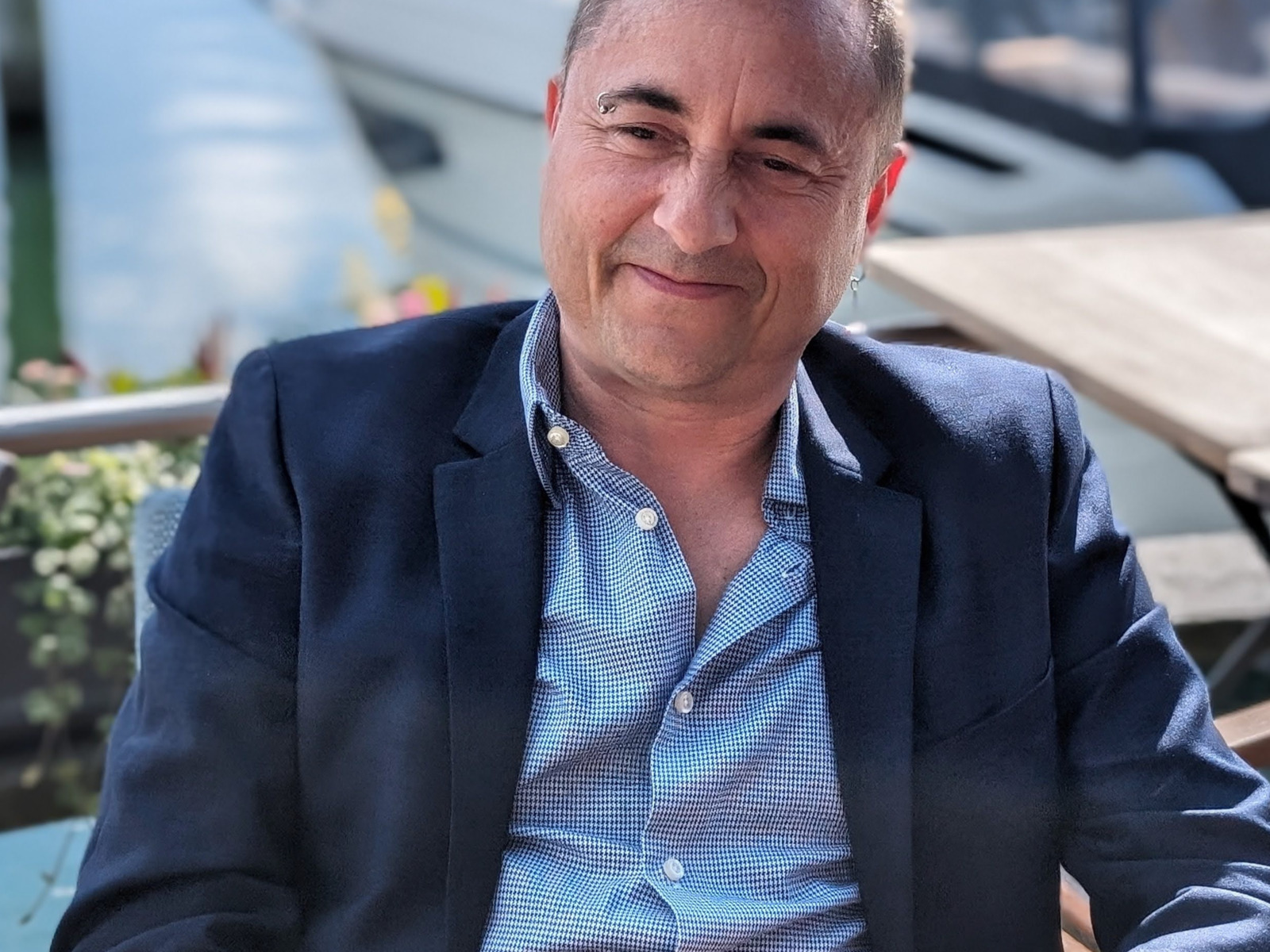
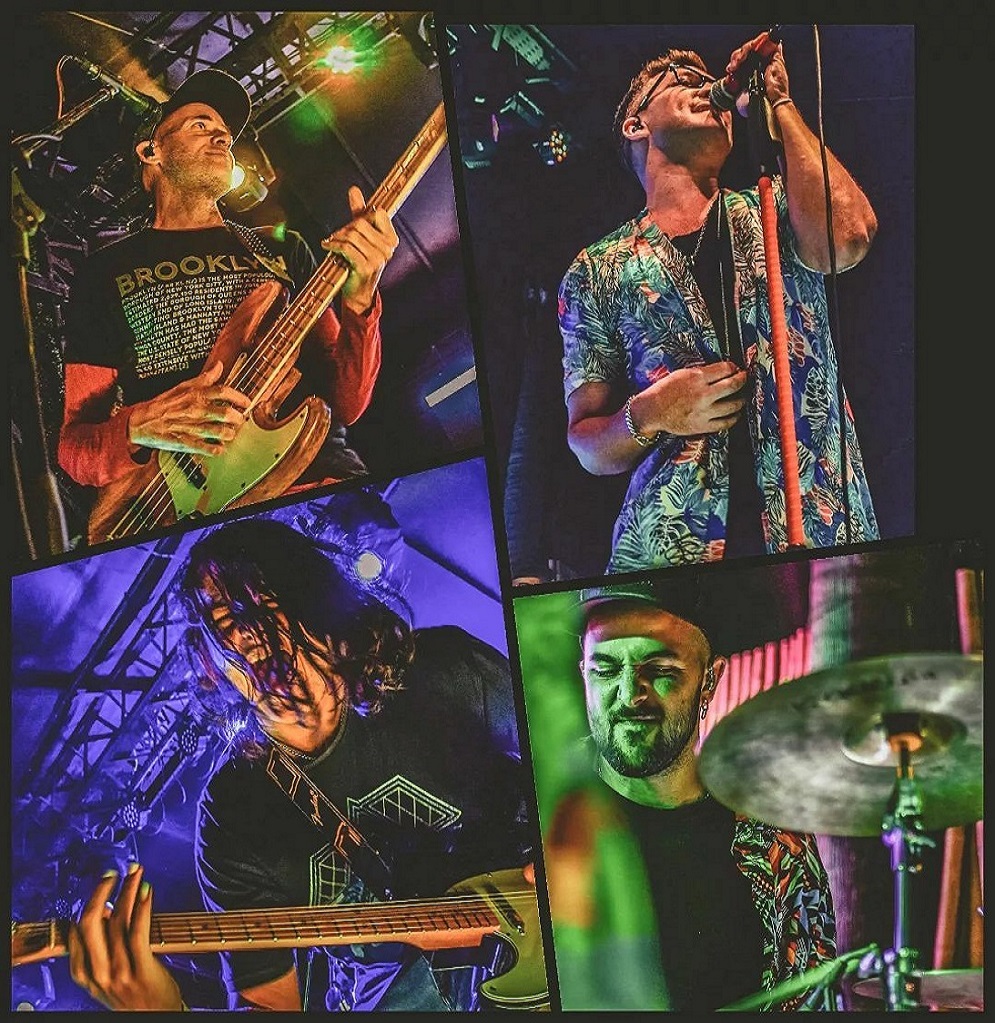
Pop band from Argentina performing live non-stop since February 2018. Passionate, reliable, and growing, SUIT deliver both covers and originals for recording and live applications.
A melancholic mid-tempo Pop track “Left Behind” by LoveLounge with male vocals (2025), honoring someone dear. PRS-registered, unlicensed, master ready—available for film, compilation, or commercial use.
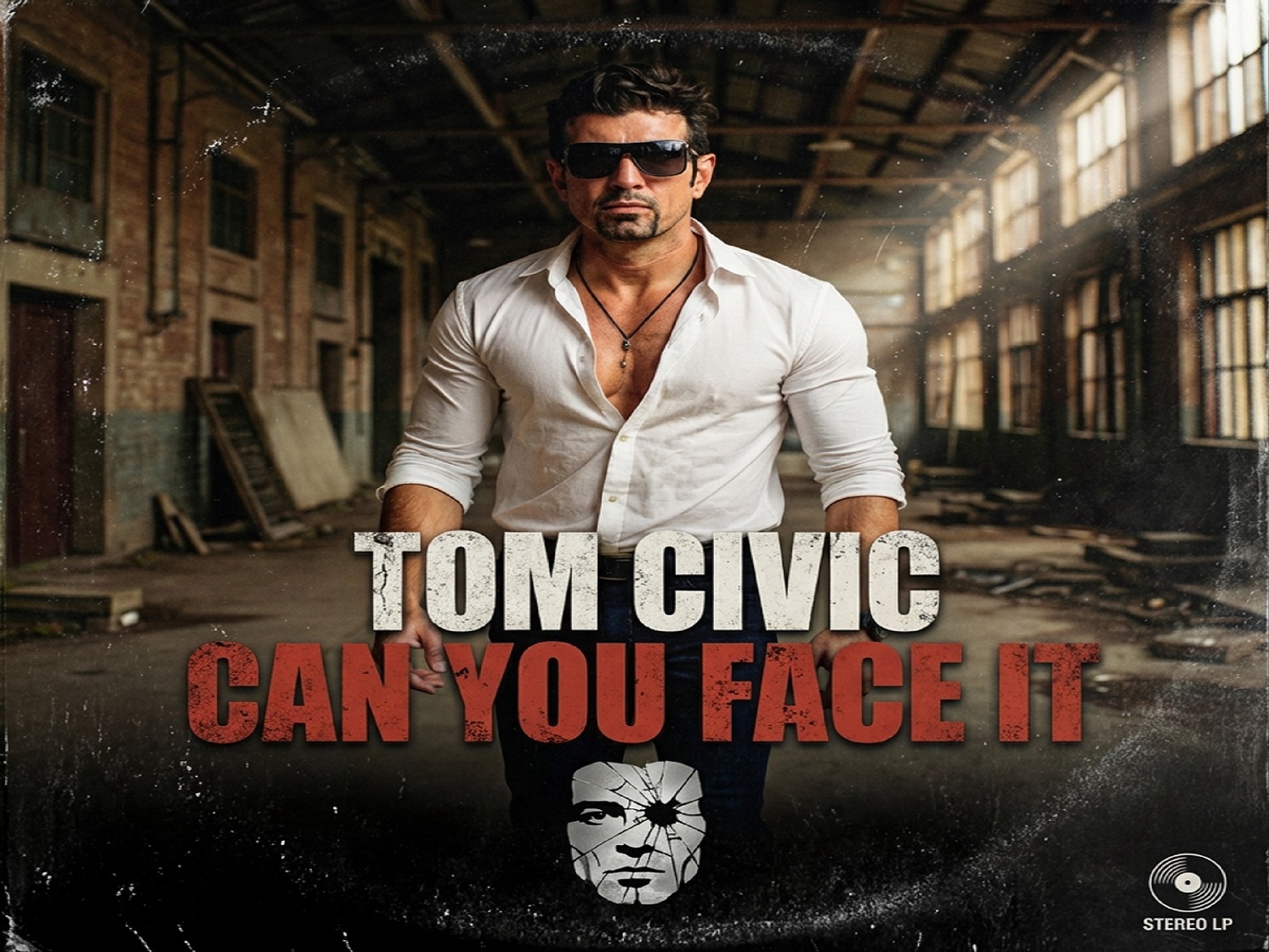
Up-tempo Dance/Electronica track “Give Me a Break” with male vocals (2025). Uplifting, energetic; master available for licensing—ideal for commercial, film, gaming, compilation, or ringtone use.
Swedish punk-alternative blending Ramones energy with Beach Boys melodies. English-language, recording-focused; new album and a spring 2022 Japan tour on the horizon.
To respond to these offers, you’ll need an account. Create a free profile to connect or submit directly from each offer.
Join now: Music2Deal— the business network for 18,000+ verified music professionals worldwide. Whether you’re an artist, label, publisher, manager, or producer, Music2Deal helps you connect, promote, and discover real opportunities.
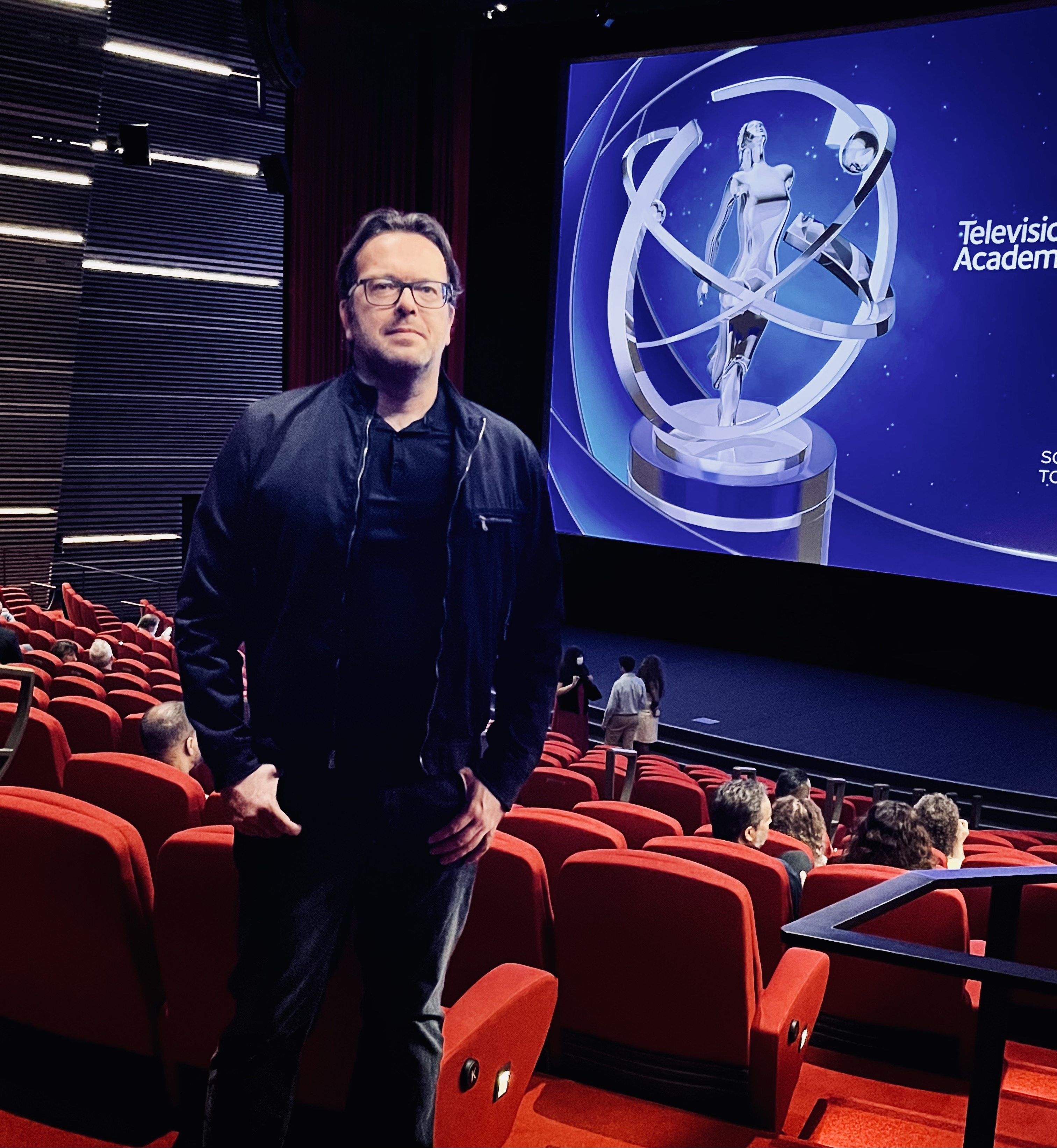
German singer songwriter Tim Kamrad rose to fame in 2017 with his single ‘Changes’. The 27 year olds pop oriented hits including ‘I Believe’, ‘Feel Alive’ and ‘I Hope You End Up Alone (With Me)’ and in 2024 he became a coach on The Voice Of Germany. This is the first of a two part interview.
Our professional A&R guru Richard Rogers asks the questions.
Kamrad, Richard Rogers
Richard Rogers: Nice to meet you Kamrad. Music2deal is an online music platform for the music industry. It is to connect people involved with music in whichever area they are working within. As for the platform itself, well, think of a Facebook for the music industry. Getting bands online, bands working with producers. Writers working with other writers, collaborations etc.
Kamrad: it makes a lot of sense actually, I get it. It is (music) after all the most consumed thing in the world after food, I believe. You can obviously connect to a lot of people. different people in different cities and it’s hard to reach them so if you have a platform and a global connection then I think it’s really good.
RR: well we just started a Music2deal online map so that you can find people online and where they are from.
K: that’s really nice.
RR: actually from Music2deal I worked with a band from Munster in the north of Germany. Well, Emsdetten actually.
K: I’ve not actually been there but I’ve heard about it on the radio. Particularly when they talk about the traffic and at some point they say Emsdetten. Laughs.
RR: do you have a team of A&R people around you that you work with or is it a single person or do they (the record company) just let you get on with the A&R?
K: well it’s actually a bit of all of it. Like I have one A&R Annie, the main A&R (at the record company), but we’re working with two or three other people but actually to be honest my main A&R is my producer. We’ve been working together for about seven years now, so we know each other very well. You know, we made all the songs before anything blew up (was successful) so therefore just us two.
Then there are two more guys in the studio working on music and we’re kind of figuring out the sound and where we want to go and maybe suggesting a single to the label and when they say that’s a good song, we’ll probably do it (release it) because you know it has my name on it. So I wanna have my name on it so we have my vision in the way that I want to present it. But then feedback is always good from my management or from some people at the label in A&R and production.
RR: so you have a good bedrock (foundation) so to speak?
K: yeah then again I would rather go for the flop single that I chose than the hit that I didn’t like that somebody else chose. Do you know what I mean?
RR: well I think you’re doing alright so far. Laughs
K: yeah, I think you know if you get a feeling for what is right for me then the next steps are that you should probably go your way but still it’s great to have people you know caring and giving their opinions.
RR: so the record company Epic/Sony Records let you get on with both the writing and the recordings? Are the recordings done in the same studio as your home studio which I think is in Bochum, Germany?
K: well actually it’s the studio from my producer. For some reason on Wikipedia it says the studio is mine and it’s a great studio but it’s not mine it’s my producers. So every day that I’m not on tour, I’m in the studio and we’re working on music and it’s very connected. You know we’re writing and producing so it’s all in one. It’s a really cool base because no one else there does music so we’re on our own, so we’re not too much in the bubble, which I think is really good to stay connected too. The people that really listen to music.
RR: well I’ve been doing A&R for many years and I promise you it’s not the easiest job in the world, to put it mildly.
K: well I think A&R has changed a lot. It’s not really so much picking an artist and a song and believing in it and fighting for it to work, although there are A&R people that still do that. I mean in my team they still do it, I mean, they really do it, but that general A&R now is, finding the viral TikTok and signing them and making this bigger. But it’s not like working on the core, which is the music and I think that has become less of an important thing. From the label perspective.
RR: well now the marketing appears to be more important than ever.
K: and it’s now the hit that is more important than the artist I think. But in the end the artist will always be more important because people want a person to feel connected too and for them to be understood by going to a show for example. You can have 1 million artists and 1 million hits but you’d rather have one artist that you can really connect to such as Ed Sheeran, you know an artist that tells their story. You know in Germany it’s changed into like a viral only concept that I don’t really like and music is so much more than just viral.
RR: okay and when it comes to your albums, what happens because you’ve only released one full album in eight years. So you bring out these EPS with five or six tracks and they’re only about 2 1/2 minutes per song, and I’m not saying that’s wrong I’m simply making an observation. So for you, is it a case of you deciding not to put out an album or do you have something on the horizon album wise? Maybe this year?
K: that’s a good question. You know it’s really hard because I’m not much of an album listener. Still I know an album is still really important to build the brand of an artist. To really attach fans to a project in a way cause I feel like singles are great and they make people notice you and they make people maybe buy a ticket to a show. If you have an album out then people will come again and again and again and that is what you want, particularly if you wanna have more than 1 or 2 years (in the industry), maybe 20 years, yeah a full career, so I feel like you know there’s gonna be an album. But I want to put out as much music as fast as possible so I felt that the fastest way to do it was release EPs and it’s not because I’m lazy or anything or I’m trying to be attractive to the algorithm.
It’s rather, I make the song that I would rather listen to and I have a feeling that when I have a four minute song, I’d rather play the two minute 30 second song twice. So not to get bored by the four minute song, this is my idea of doing it. There are some four minute songs that work really well but for me, it’s like ‘get to the point and listen to it again’.
RR: well fair enough. Had you not thought of doing both? Whereas you could do an extended mixes EP and the ordinary short versions EP.
K: well we do that live, so we have long versions of the songs and I really like that. And I think at some point there’s gonna be an extended thing to present what we do on stage as well as onto the streaming platforms. This is like a weird thing because I’m so much into trying to make a great hit and a great pop song and not only the success of it. You know the writing, you know being so on point of a hit. This is what I really like and gives me the biggest smile. I’m a big Max Martin junkie, I studied everything he did. For me, I try to make the best pop song possible. So it’s hard to go the five minute way when you want to do that.
Part 2 of the interview with Kamrad will be available on Music2deal shortly.
Kamrad’s latest EP ‘Wanna Be Friends’ was released in November 2024 and he is currently supporting this release on the ‘Friends Tour’ in Germany, Switzerland and Austria for a number of months from January 2025 with more tours planned going into Winter 2026 across Europe. In addition he is now one of the judges on ‘The Voice Of Germany’.
Richard Rogers new book ‘Taylor Swift – ‘The Tortured Poets Department’ the Ultimate A&R Companion Guide’ will be released in April 2025 with contributions from Kamrad and Midge Ure. It will be available to Music2deal members for a heavily discounted once only price.
This is the second of a two part interview with legendary guitarist and songwriter John O’Neill from The Undertones, That Petrol Emotion and trip hop darlings Rare.
The man famous for writing ground breaking hit songs Jimmy Jimmy, Wednesday Week, Julie Ocean, Here Comes The Summer, Big Decision and of course John Peel’s favourite all time song and punk/new wave anthem Teenage Kicks.
Our expert music industry A&R man Richard Rogers asks the questions.
Richard Rogers: so they put a mural up on a huge wall in Derry of The Undertones recently, what did you think of that?
John O’Neill: that’s fantastic. I was against it at the time.
RR: why?
JON: we thought it would be too noticeable and stuff. But it turned out great. Really great.
RR: as we are in Düsseldorf, it was interesting to find out that Die Toten Hosen, the German group, were massive fans of yours. Are you still in touch with the guys?
JON: yeah they’re coming down tonight to the gig. They are lovely people. Genuinely nice people. We played with them three or four times. Die Artze are the other German band that are big fans of The Undertones too. We play a lot in Berlin and in Germany because our tour manager Barry is married to a girl from Berlin so we are always doing tours here. We played the Market Hall in Hamburg last night and it was brilliant.
RR: you mentioned before we started the interview but there was a possibility of the undertones going back into the studio to record a new album, can you tell us more please?
JON: well we keep saying we’re gonna go in the studio. The thing is, Damian is so prolific he’s already put out a couple of solo records. In fact Damian started up a new band with a couple of guys from That Petrol Emotion called The Everlasting Yeah who released a record four years ago but they just put out a new album which is absolutely fantastic, it’s as good as anything that the Petrols did. Damian can write stuff all the time and I’ve got tons of stuff but I am never that happy that it’s all that great. It seems the older you get it’s harder to write songs.
RR: do you find a lack of inspiration?
JON: well the thing is my daughter came back from London to Derry and she and her husband have the two kids now and they both work, so the grandparents such as me, end up looking after the grandchildren a lot of the time. So I never get time to get into the studio it’s fantastic having the grandkids you know, I don’t know if you’ve got any.
RR: not yet my son is only eight years old. (laughs).
JON: but it’s fantastic having grandkids I love having grandkids. But very exhausting. You’re up 3 times a night sometimes.
RR: so if you wanna blame there being no Undertones records blame the grandkids! Talking about David Bowie which we were earlier, I once licensed a Blondie track onto a Bowie album which had Robert Fripp playing guitar. This was the first time that Blondie’s version of Heroes was ever released on CD format.
JON: well talking about cover versions, Die Toten Hosen did a version of Teenage Kicks and Damian came over to Germany to play the guitar on that song by the group. That was on the Learning English album. Maybe it was recorded in London and all the promotional work and parties were in Germany. Damian is my brother of course and he’s a great guitar player and I’m just a meat and potatoes guy.
RR: but of course you are a fantastic songwriter. In the UK we had this amazing DJ no longer with us called John Peel who I got to know a little bit not much but a little bit when I worked at the BBC in London. The best DJ ever male and female probably Annie Nightingale. John was out on his own and phenomenal and his favourite record of all time was written by John here called Teenage Kicks. John was really God of all DJs. He epitomised the lone DJ out there on his own looking for new songs and new artists.
JON: without John Peel, we wouldn’t have done anything. We recorded the first EP and we were about to break up because there was a lot of tension about, we wanted to make a record so that we could prove that a band from Derry could make a record. And that will do us. But then with John Peel playing it, and finally Seymour Stein (at Sire Records) said I’ve got to sign these guys. So that led to us getting a record deal.
RR: so how did you get on with A&R guys? I mean at one of the companies I worked for I had on my roster as an A&R man, 55 separate songwriters. Okay some of those were with the same band but all in all there are only so many hours in the day and so many days in the year so it’s a hard job that people don’t always appreciate.
JON: well Andy, our manager, kept us away from them most of the time. I remember Positive Touch the third LP for the undertones hadn’t sold that much so the fourth album was Sin of Pride. With each album we made, we tried to make them different which probably wasn’t a very good commercial idea. The A&R guy would come in and get us to write in a commercial way and of course we ignored him.
RR: yes you should ignore them, unless they really have something to say. (laughs).
JON: really, I had no dealings with A&R except a little during the Undertones days.
RR: that’s incredible. I did an interview with Midge Ure last year and he said exactly the same thing. The record company just let Ultravox get on and do their own A&R.
JON: Andy was dealing with all the A&R people for the Undertones and the Petrols. For Rare we had a licensing deal with Pinnacle so there was no A&R there either. The guy at Pinnacle liked it so it was released and we sold about five copies and we did a tour and I can promise you we didn’t sell very many copies because we didn’t have very many people in the gigs which was so dispiriting. Andy managed both groups but to be honest, we didn’t take ourselves too seriously even though he was always trying to make us do more promotional stuff. I think this led to Fergal Sharkey leaving the band. He could see that he could probably do better as a solo artist. As far as people were concerned he was The Undertones.
RR: yet he only had one minor songwriting credit on one song on the entire creative writing output over six albums of The Undertones. Are you still in touch with him at all?
JON: no oh no. We had some horror stories that he was involved in, but we weren’t that surprised. The fact that he was an A&R man just makes us laugh. He had no interest whatsoever in any music, he never did. You can put that in the interview, I don’t care.
RR: moving swiftly on, let’s go back to John Peel.
JON: the year before he died I think, we made a documentary. He came over to Derry. That was the first time we had met him in years and we spent three or four days with him which was fantastic, you know. He also paid for the very first recording session we ever did.
RR: so what do your live gigs entail? Is it all the old stuff or a combination of this? The early stuff you did with Fergal plus the material you’ve done post Fergal?
JON: mostly the original stuff, you know we do all the singles. Then we mix it with various songs from the last two albums, we think there’s some great stuff on those albums. You know, the people want to hear the commercial stuff.
RR: well I really hope the grandkids will allow you to do some songwriting every now and again.