To Read Part I of the article CLICK HERE

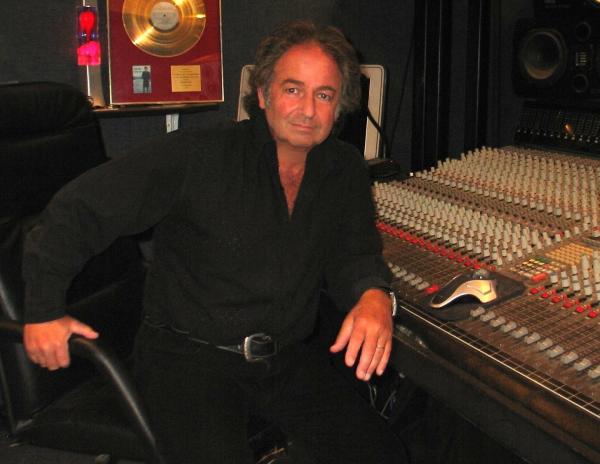
Tatsuya Oe (オオエタツヤ), renowned independent Japanese composer, recording artist, music producer and DJ, best known for his recordings as Captain Funk, (Tatsuya) OE, and Dark Model, as well as for collaborations and remixes with numerous artists including James Brown, Diana Ross, Chic, Simon LeBon, Ron Sexsmith and Serge Gainsbourg, has also thrown his hat into the creative chair working with TV, Film & advertising. It was a great pleasure to interview him on the state of the music industry and future for independent artists both locally and globally in sync licensing:
What about In the rest of the world?
Generally speaking in the US and the rest of the world, there are obviously some trends and fixtures in licensed music, such as energetic and anthemic Indie Rock, dreamy Pop Electronica, quirky Acoustic Pop, epic Trailer music, Dubstep and Glitch Electronica, minimalistic Modern Classical, etc. Diversity works a lot here as well, but there is a huge difference in how it actually works. Unlike Japan, in the US and Europe stocking a wide range of “pre-existing” & “pre-cleared” music tracks means a lot. Music supervisors and licensing companies are always seeking tracks, which can be cleared “right now” and are ready for use. Frequently they even ask for stems or just one shot of the track. And you never know who will want what kind of music from my catalouge of pre-existing music tracks. I think this is a very exciting situation.
When it comes to my own music placements, my latest sub-brand Dark Model’s (http://www.facebook.com/DarkModelMusic) music focusing on Edgy Hybrid/Orchestral Electronica seems to be in great demand. Since Dark Model was launched, its music has been licensed and used on Hollywood movie promos such as “Elysium (2013)”, “The Paperboy (2012)” as well as advertising campaigns in the US as diverse as Verizon, Lexus andOakley to name just a few.
Now, let’s change tracks, how do you, as a rights creator and owner, typically go through the licensing process?
There are several approaches I take to get my music licensed:
- Direct deal with licensors who want to use my music for their project (in domestic and international licensing).
- Via licensing companies and services (in international licensing).
- Via the copyright society (in domestic licensing, which would be very specific in Japan).
Regarding Approach 1, I often deal with friends and acquaintances that I have worked with before. Additionally, as I have my own library organizing my pre-existing and pre-cleared music both on my artist website (http://www.tatsuyaoe.com/music) and my company website (http://www.model-electronic.com/), licensors such as music supervisors, creative directors, film directors, etc. are able to reach me and complete one-stop licensing deal on a global basis.
As to Approach 2, several licensing companies, mainly in the US, facilitate pitching my music and negotiate with licensors on my behalf. This kind of service has emerged over the past decade and some companies are doing a great job for me. Building a strong relationship with them allows you to leverage the potential of your music, but of course, you have to do your homework beforehand.
As to Approach 3, in most cases, licensors in Japan only have to negotiate with and pay licensing fees to JASRAC (Japanese Society for Rights of Authors, Composers and Publishers) on the basis of their statutory rates because they can administrate all copyrights such as performance, mechanical, and even synchronization rights on behalf of us unless you ask JASRAC to exclude some of them. This is limited to domestic operations and is very different from the US where neither PROs nor MROs handle synchronization rights.
What do you think can be done to make the music licensing process and business more fair to better work on behalf of artists, rights holders and producers?
Well, I don’t really think the business is innately ‘fair’. The music business has always been competitive, full of ups-and-downs and politics. However, you can protect yourself by assessing what you can create or control and then focus on that – your own opportunities, business resources, relationship, communication skills, and of course, quality and quantity of your music. That’s a much more productive way to look at business.
This means organizing your music tracks with necessary tags (composer, publisher, master owner, genre, atmosphere, BPM, sound likes, etc), making your own library/portfolio so that media professionals can audition/evaluate your music immediately, checking with licensing companies, organizing your contact list, packaging your show reels, updating your news about music placements, etc. After that it’s all about networking and building a good relationship to increase the opportunities of getting your music licensed.
When it comes to sync licensing, we can get music licensed and used only after some buyer/customer/client really wants to use it for their project. Unless you already have a successful catalog of hit songs or rare opportunities such as tie-in promotions, your stature as an artist and popularity in the music market actually has little to do with your success in placing music. Music supervisors and directors see how your music will match or enhance their project including its concept, target, scene, marketing issues, etc., and unlike label A&R, they don’t care if you’re a great artist with an awesome photo or bio.
We sellers have to figure out what will make buyers use your music in order to close a decent deal. That’s a marketing issue, but I believe that ultimately it’s an issue of building relationships and credibility.
And this is actually what licensing companies or production/library music companies do for their client. So if you are an artist or rights holder who wants to get your music licensed, just learn from what they do. It’s not smart for an artist, especially an independent one, to think ‘that’s their job, not mine’. You should have a ‘dealer/merchant’ mindset. And, studying the media and how your music could be used is essential. If you’re interested in sync-licensing your music to trendy TV programs, watch them to learn what songs are used in them. If you’re interested in music placements in automobile ad campaigns, research what clients use what type of music toward whom (target).
Let’s talk about technology – do you think it can help artists improve the way they do business?
Definitely. Especially if you’re an indie artist. It could help you leverage your network and the potential of your music, but it could also work the other way around. Like I said before, regardless of whether it is a direct deal with clients/buyers or a deal via licensing companies, you would need very different skills and knowledge from garnering ‘Likes’ or plays/listens on general social network websites.
I would hope that technology can accelerate the democratization and openness of the music licensing business, but it should be limited to small or mid-scale projects for web/TV/films/ads on a non-exclusive-basis. But, I don’t think when it comes to music licensing to broadcast TV, big budget commercials, or Hollywood (box-office) movie trailers, we can let the whole process become ‘automated’. No matter how technology evolves, the bigger the budget or placement is, the more dependent on individual skills and exclusive the deal becomes.
And what about technology improving the way music supervisors and other right buyers do business?
Generally, it should. But when it comes to finalizing the deals, it would not apply to all buyers. Top-notch music supervisors and directors in the know have already had strong business connections and a clue to find the music they want and finalize the deal in time. They also might use Soundcloud, Youtube, Spotify, and database services such as AllMusic to search music or bands, but that doesn’t necessarily mean they bother to take time reaching out to their favorite but unacquainted composers or publishers directly. Having said that, for buyers such as those who are seeking music at a modest price, web-based matching services for non-exclusive licensing deals would help a lot.
How would you like to see the rights market evolve? What would a better rights market look like?
Honestly I don’t see the market from the futuristic or macro point of view because music licensing business and copyright operations differ so greatly depending on territory.
Regarding sync licensing, some markets such as Japan are specific with a low liquidity while the US and UK rights markets are flexibly moving forward to open competition and seeking the next possibilities for monetizing music. Personally I think this “liquidity” is the key for the next era of music licensing.
This may be particularity limited to Japan market, but some copyright authorities still seem to confuse rights business with culture, or even something more academic or metaphysical. While they claim their possessory rights or exercise their rights to claim when abused, some of them abhor the tendency of music being regarded as financial, cashable/exchangeable asset. Perhaps they haven’t been able to shift out from their old comfort zone. Or, the silver platter environment where you don’t need to negotiate with licensors directly might have allowed them to live with such an illusional way of thinking.
By the way, in our traditional accounting standards, or at least in Japan, calculating music copyrights as potential cash value or financial asset hasn’t been accepted except in cases of M&A or buyout. So, not only banks and investors but also publishers and copyright organizations (unless they’re subsidiaries or branches of global mega publishers) haven’t gotten into the habit of considering music rights in terms of cash value. That lack of asset management mindset, or rigidity, could affect the potential of developing their portfolio globally in the future.
While we still have a long way to go, I hope each rights market will grow to be more mutually complementary, flexible/fluid, deal-friendly and transparent – not to say it should become like a stock or real-estate market. All we have to do now is to learn the differences and find the opportunities of each market, and make the most of them.
Via discOnic